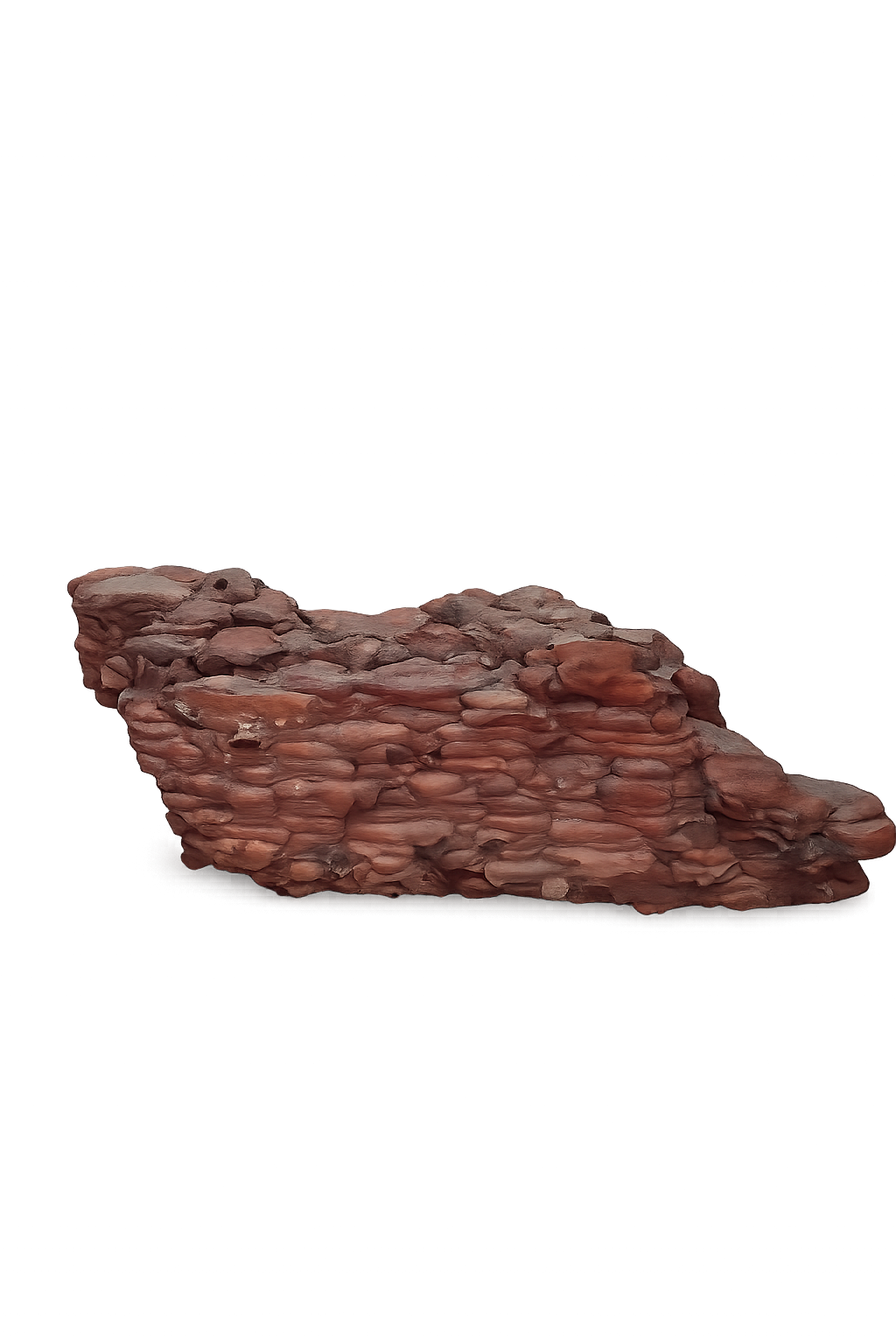
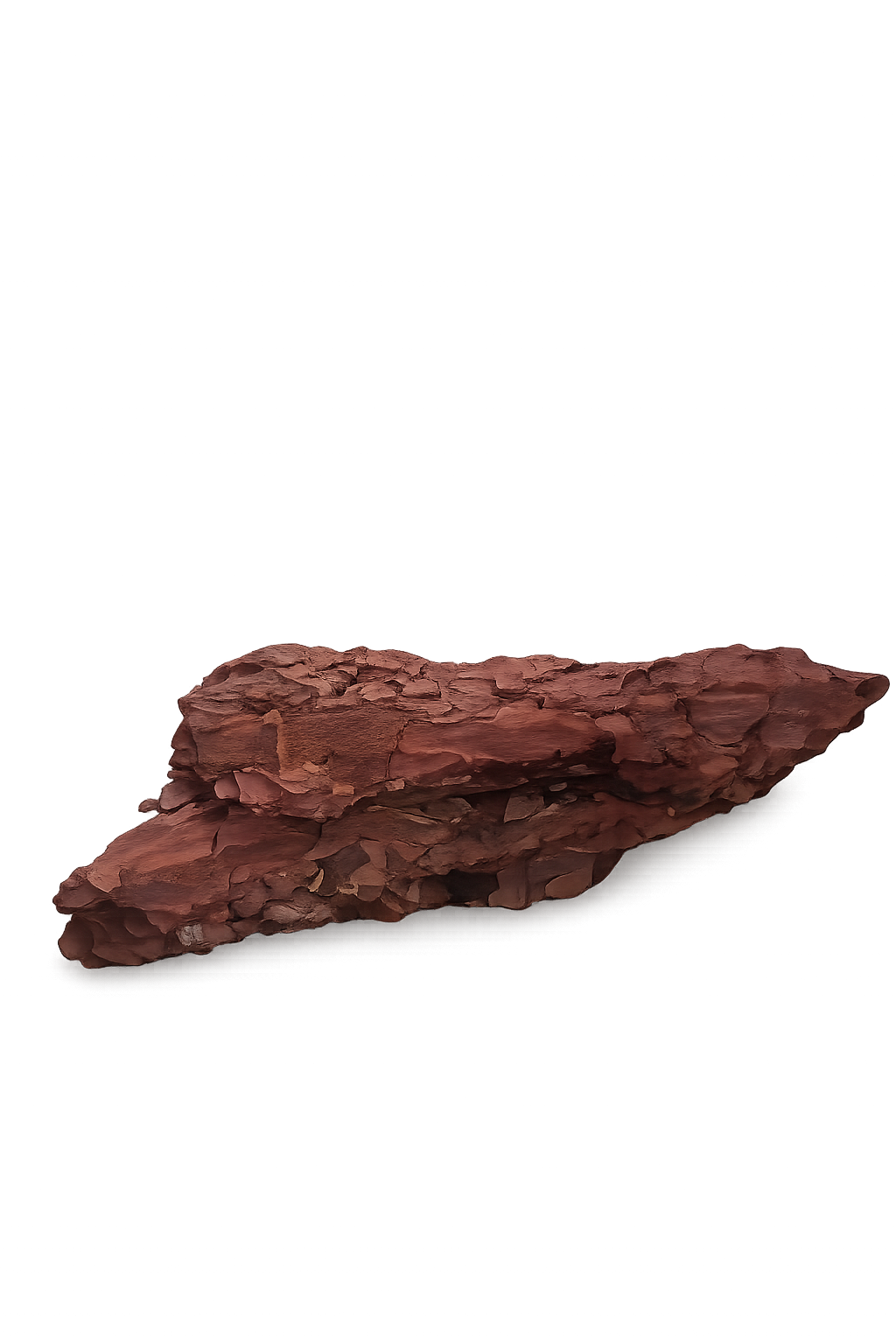
Sustainably harvested natural cork bark with rich texture, warm reddish-brown tones, and unique layered character. Lightweight, durable, and naturally resistant to moisture, each piece is one of a kind. Perfect for terrariums, vivariums, orchid mounts, bioactive enclosures, aquascaping, fairy gardens, or other creative natural displays. No two pieces are exactly alike, making every project truly unique. 7.5in x 5in x 3in
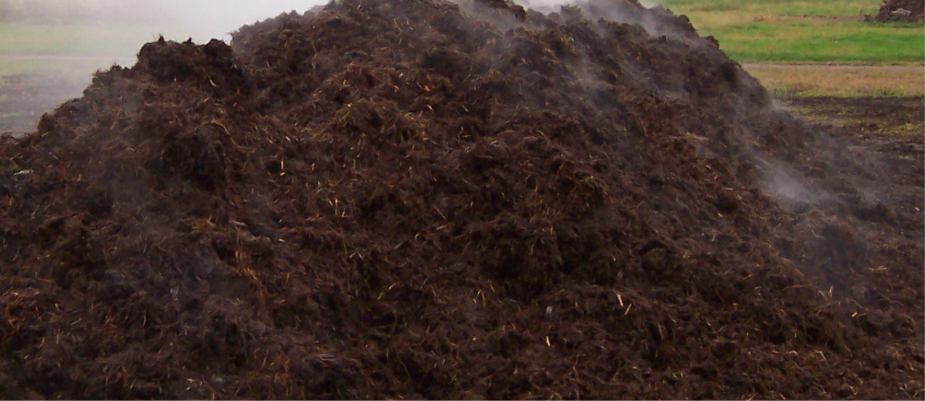
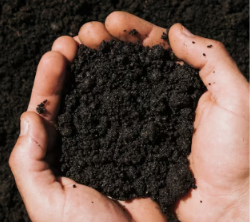
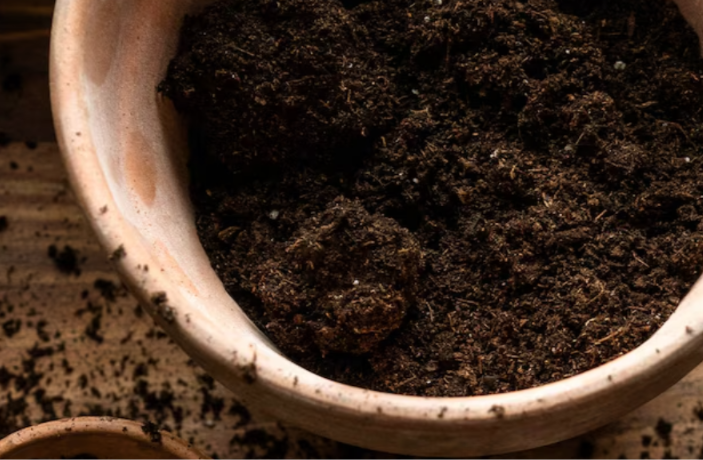
Healthy gardens begin with healthy soil. Our Organic Mushroom Compost is produced from premium spent mushroom substrate that has been carefully composted and aged into a nutrient-rich organic soil amendment. Rich in organic matter and naturally occurring minerals, it improves soil structure, increases moisture retention, and creates an ideal environment for strong, healthy root development.
Perfect for vegetable gardens, flower beds, landscapes, lawns, fruit trees, and container gardens, our mushroom compost helps revitalize depleted soils while supporting long-term plant health. Whether you're establishing new plantings or improving existing beds, Farm Mycology Mushroom Compost provides a sustainable, environmentally responsible solution for growing healthier plants and more productive gardens.
Improves soil structure and aeration
Increases moisture retention while promoting proper drainage
Adds valuable organic matter to depleted soils
Encourages healthy root growth
Supports beneficial soil biology
Ideal for gardens, landscapes, raised beds, lawns, and containers
Sustainably produced from recycled mushroom substrate
Ingredients: 100% composted spent mushroom substrate
Organic Matter: Rich in naturally occurring organic material and minerals
Recommended Uses: Vegetable gardens, flower beds, raised beds, trees, shrubs, lawns, and container plants
Application: Use as a soil amendment or top dressing
Environmentally Friendly: Produced through sustainable recycling of mushroom-growing materials 100% organic.
Garden Beds & Landscapes
Incorporate 1–3 inches into the top 4–6 inches of existing soil before planting.
Raised Beds
Blend with existing soil or growing media to improve fertility, water retention, and soil structure.
Containers & Potting Mixes
Mix approximately 20–30% mushroom compost with quality potting soil before planting.
Established Plants
Apply a 1–2 inch layer around plants as a top dressing, keeping compost a few inches away from stems and trunks. Water thoroughly after application.
Rooted in Sustainability. Growing Better Soil for Every Season.
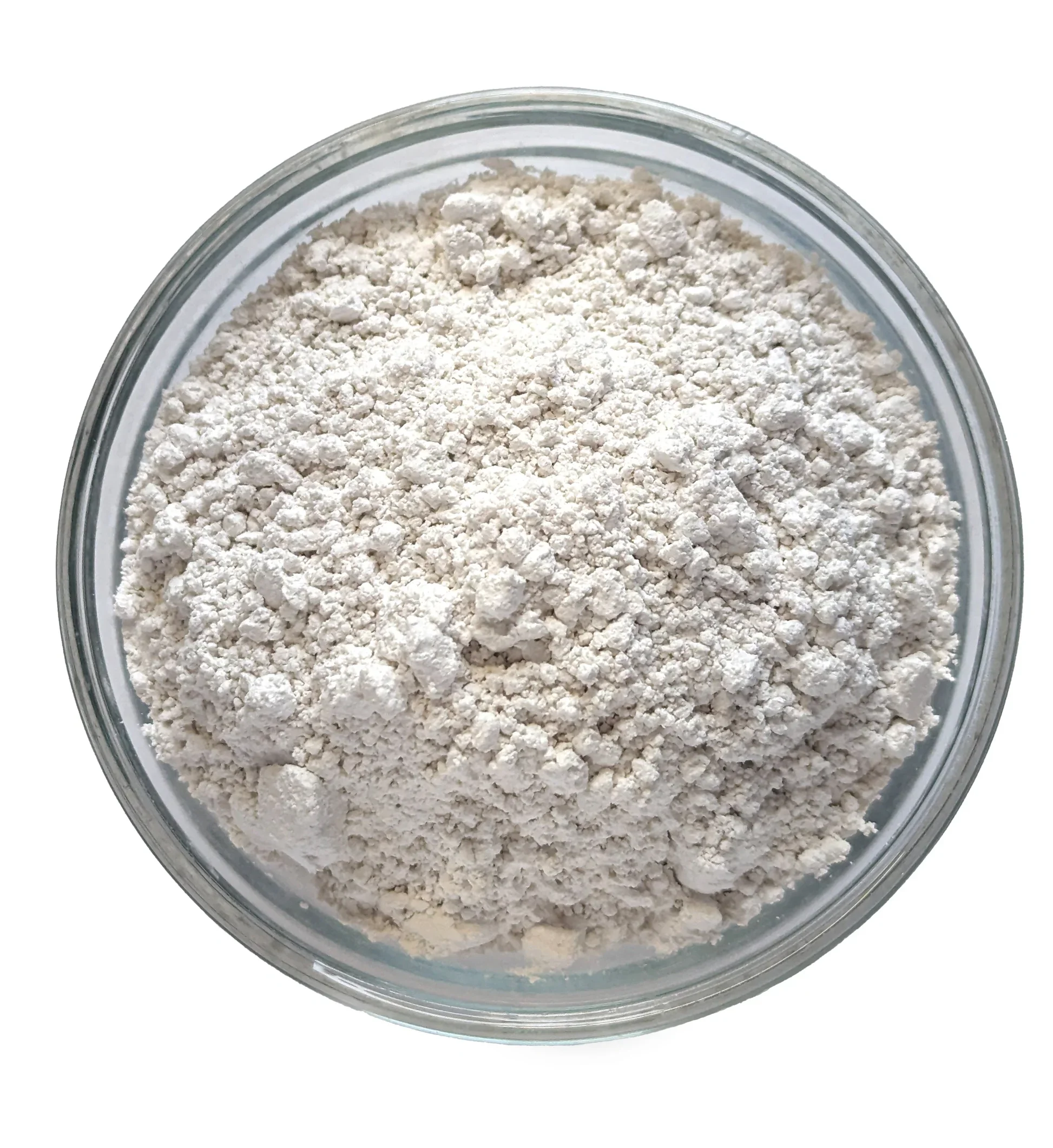
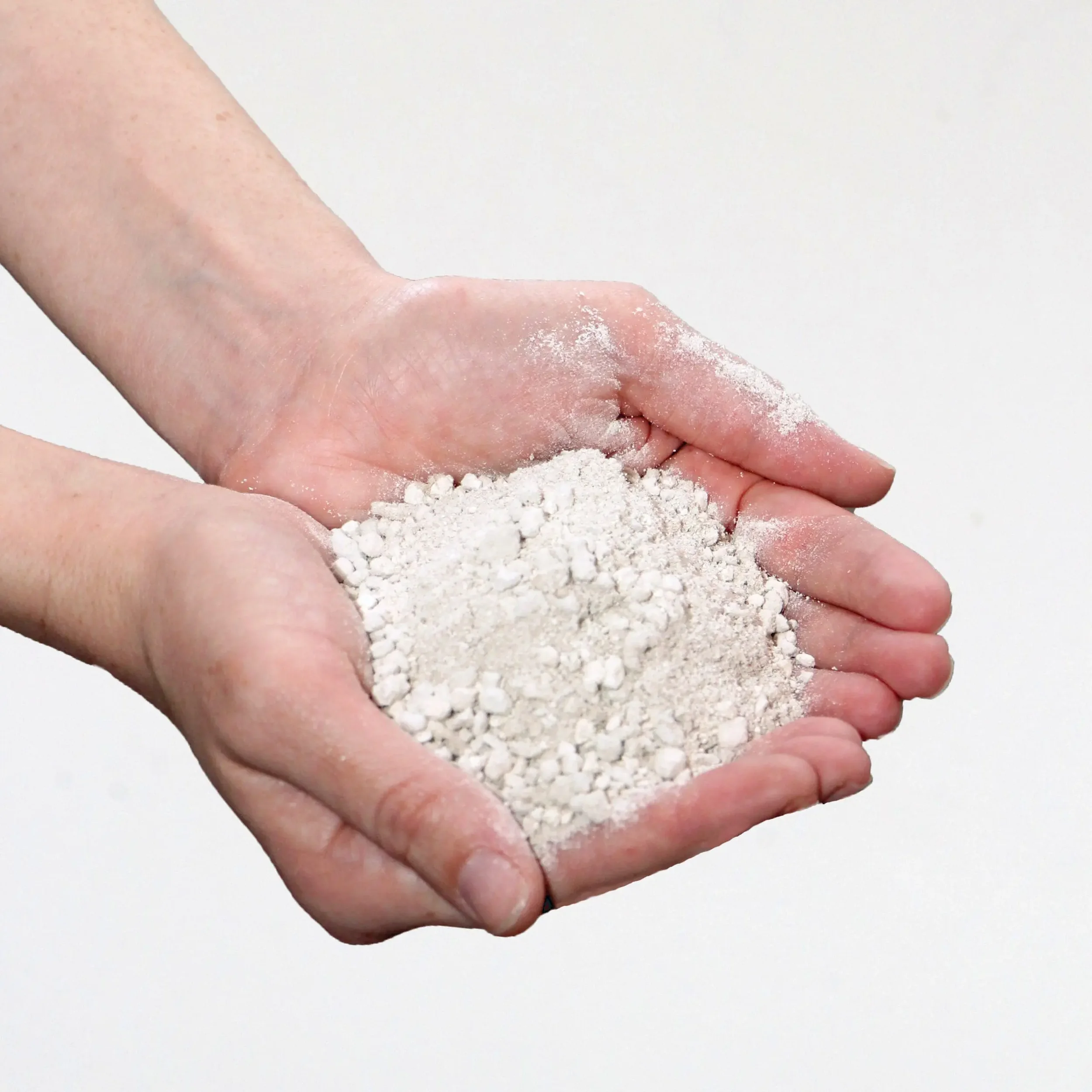
Natural gypsum supplies calcium and sulfur while helping improve soil structure in many growing applications. It is widely used as a soil amendment without significantly affecting soil pH.
Features:
Natural calcium source
Supplies sulfur
Helps improve soil structure
pH neutral
Easy to incorporate
Common Uses:
Garden beds
Potting mixes
Lawn care
Soil amendments
Compost enrichment
Ingredients: 100% Natural Gypsum
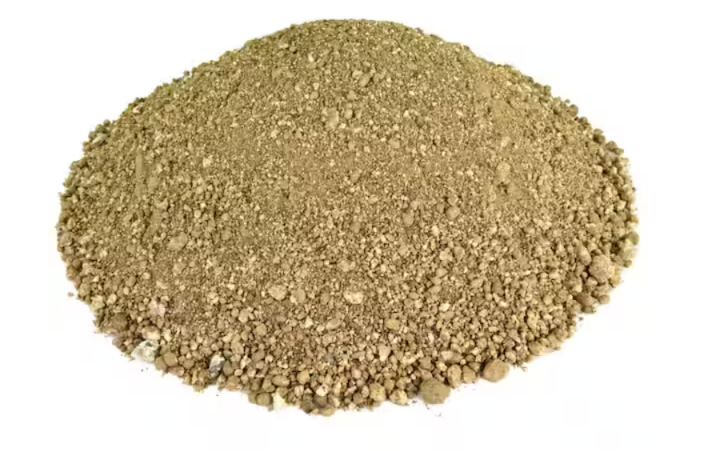
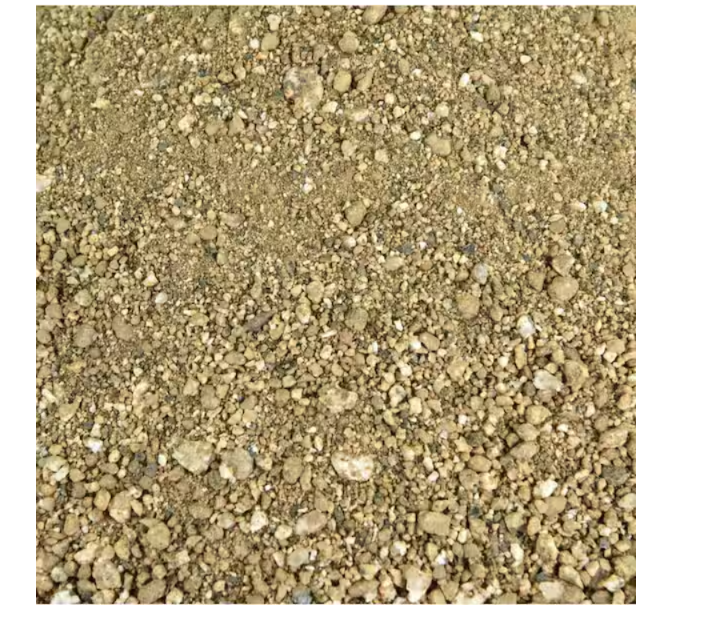
Finely ground granite provides long-lasting mineral content while improving soil texture. Popular among bonsai growers and specialty soil enthusiasts.
Features:
Natural mineral source
Improves soil texture
Long-lasting
Fine particle size
Excellent for specialty mixes
Common Uses:
Bonsai
Cactus mixes
Soil blending
Mineral amendments
Alpine plants
Ingredients: 100% Finely Ground Granite
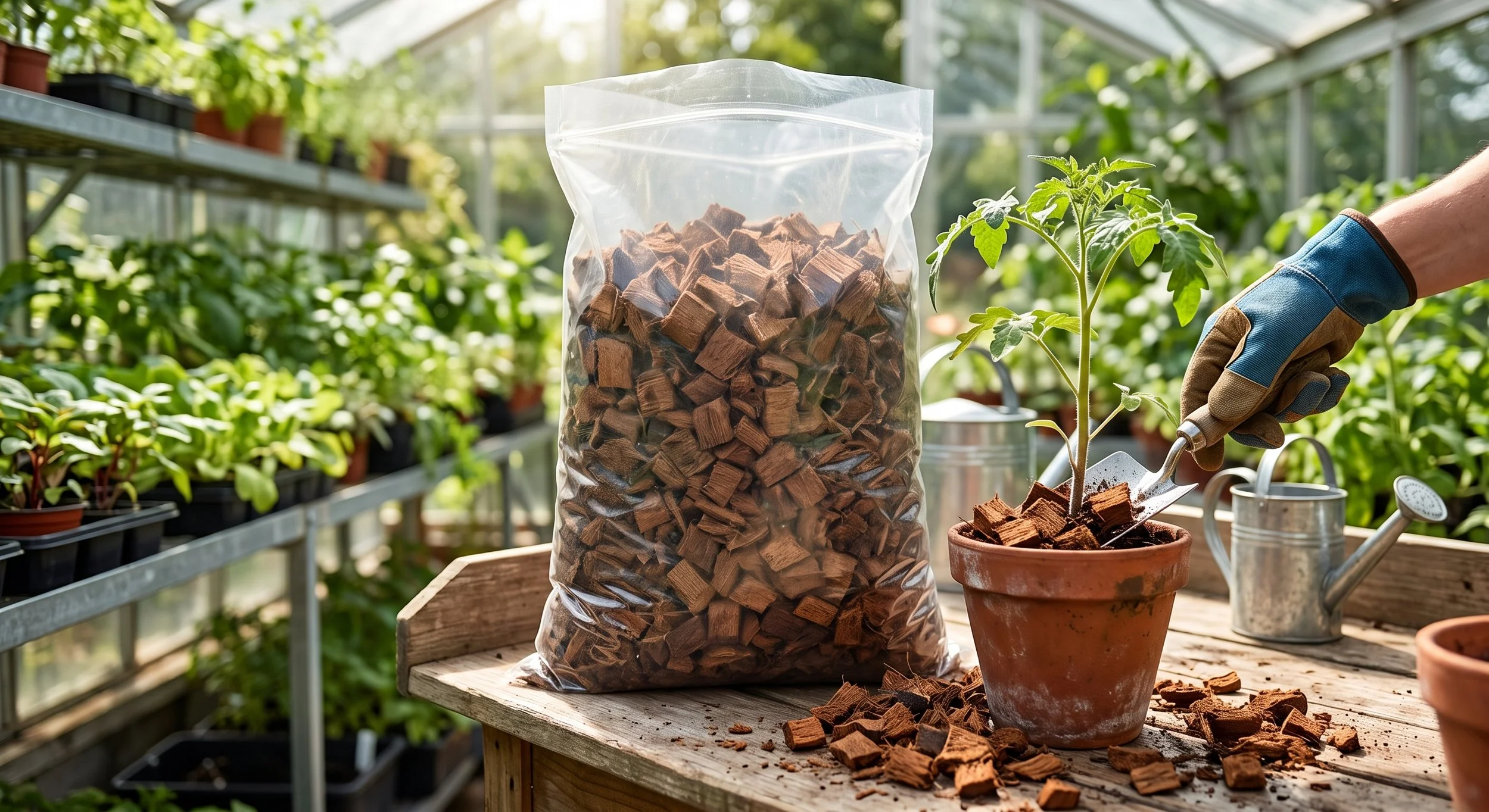
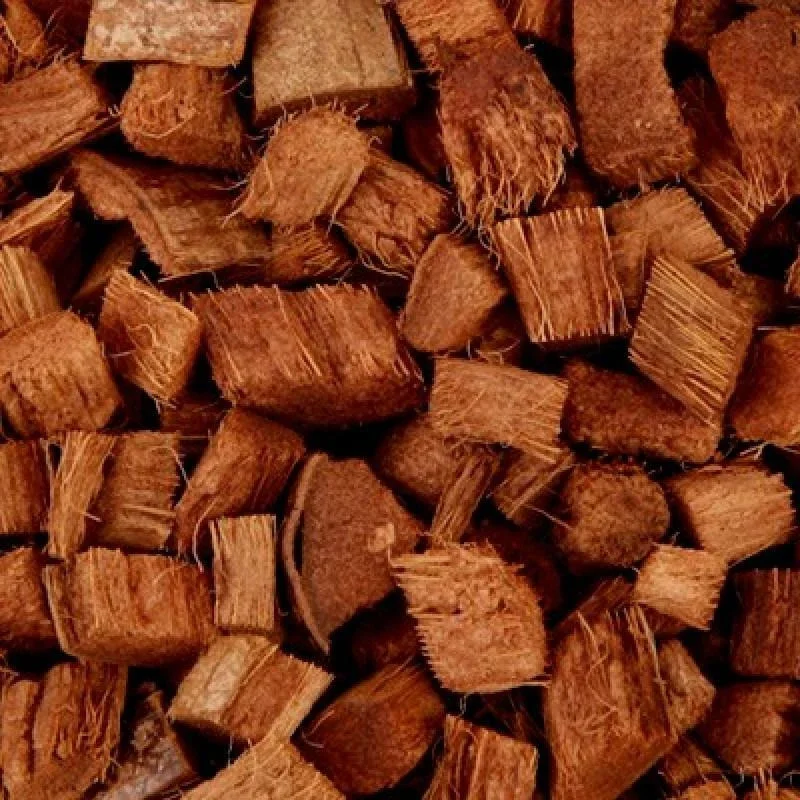
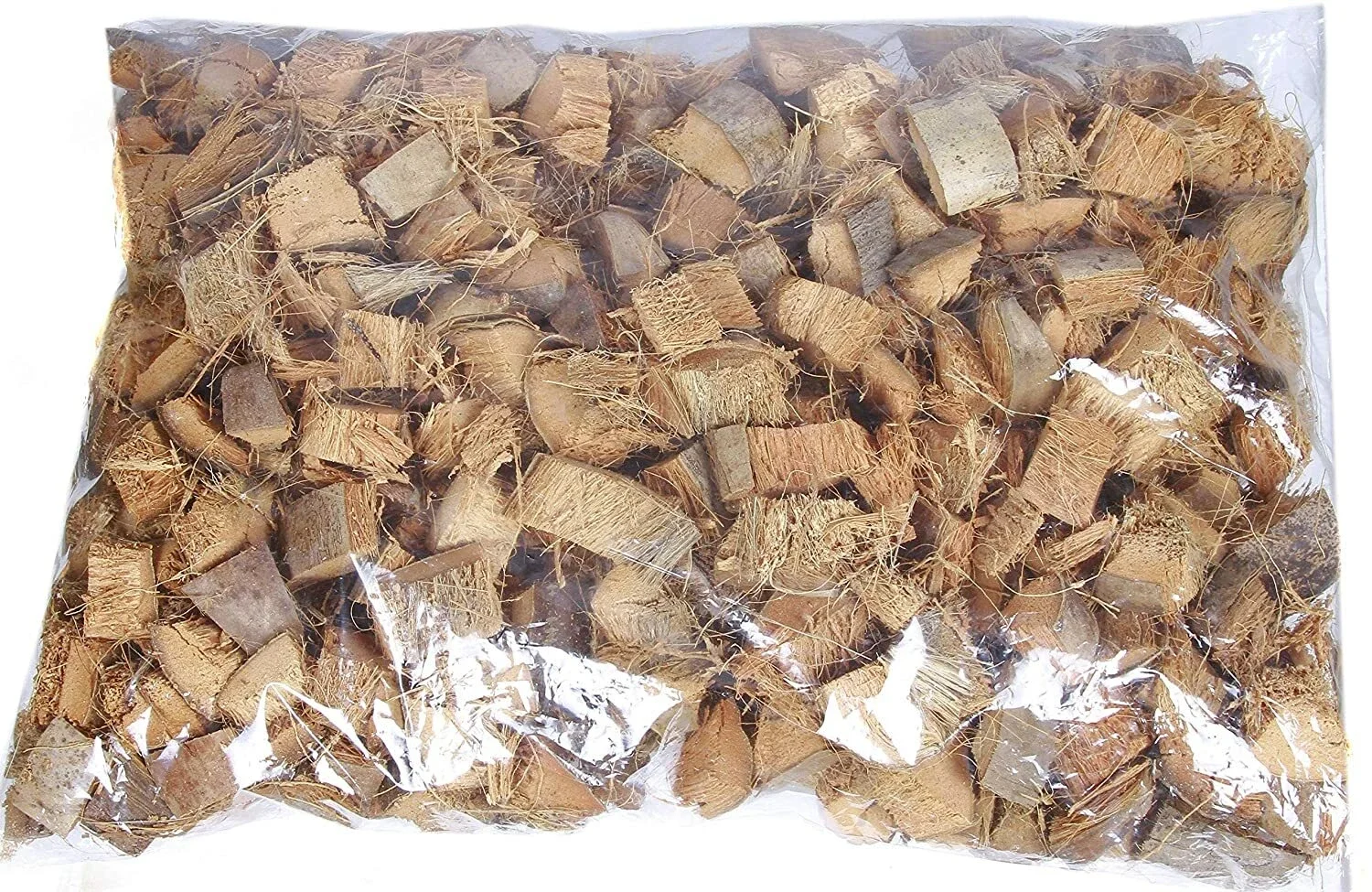
Premium coconut chips provide exceptional aeration and drainage while retaining enough moisture to support healthy root growth. A favorite medium for orchids, aroids, and tropical plants.
Features:
Excellent airflow
Retains moisture
Long-lasting
Renewable resource
Low EC
Lightweight
Common Uses:
Orchids
Aroids
Tropical plants
Terrariums
Custom soil blends
Ingredients: 100% Coconut Husk Chips
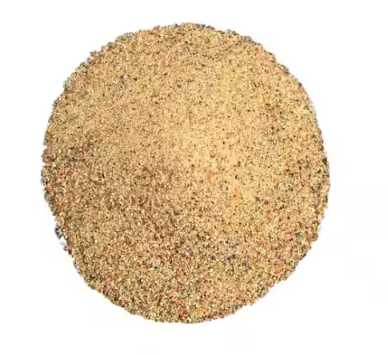
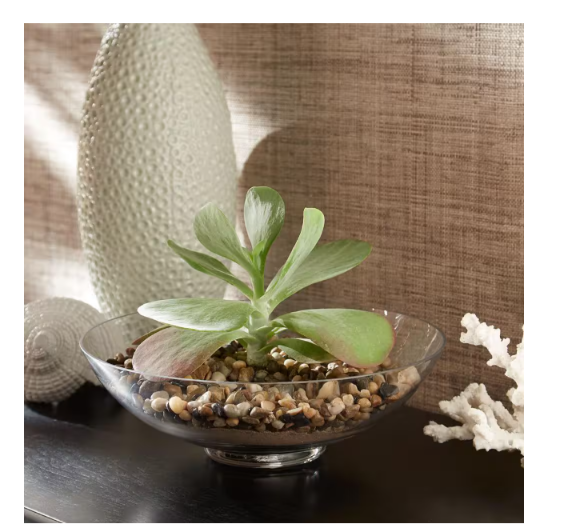
Clean horticultural sand improves soil drainage and increases pore space, helping prevent compaction in container and garden soils.
Features:
Improves drainage
Enhances aeration
Helps reduce compaction
Clean and natural
Common Uses:
Cactus mixes
Succulent soil
Seed starting
Soil amendments
Bonsai
Ingredients: Washed Horticultural Sand
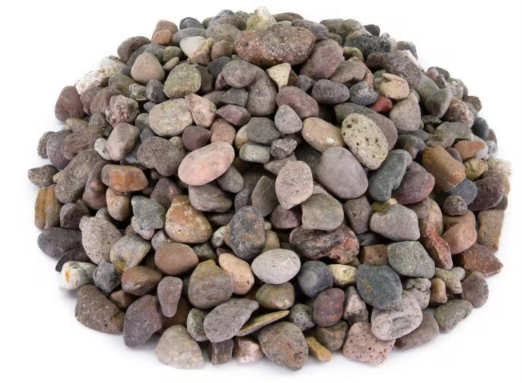
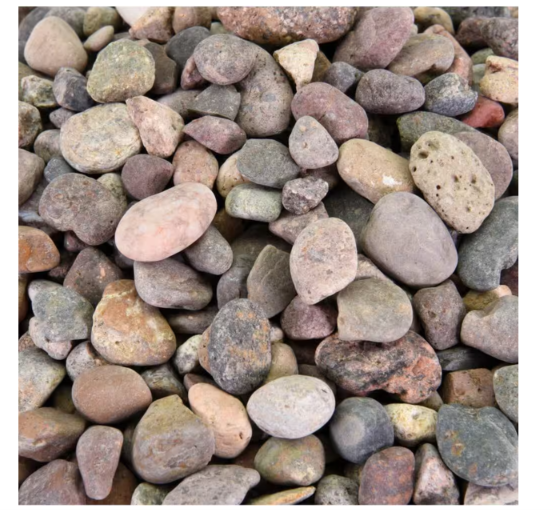
Approximately 5lb of large natural river rocks add decorative texture while improving drainage in planters, gardens, and landscape designs.
Features:
Natural appearance
Improves drainage
Durable
Decorative
Weather resistant
Common Uses:
Landscaping
Decorative planters
Drainage layers
Water features
Terrariums
Ingredients: Natural River Rock
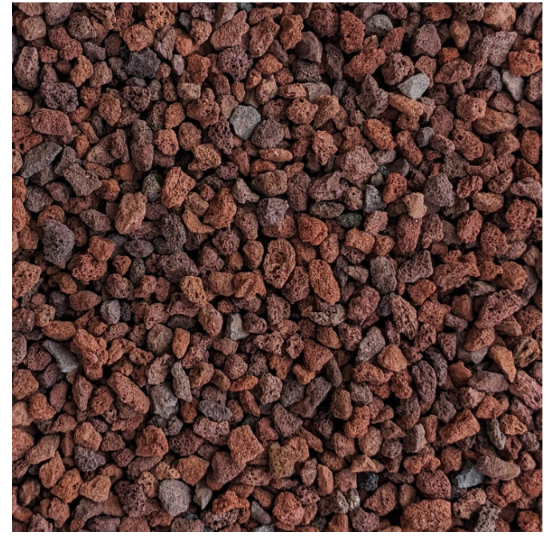
Porous volcanic lava rock promotes excellent drainage and airflow while providing long-lasting structure for soil blends.
Features:
Highly porous
Improves aeration
Excellent drainage
Long-lasting
Lightweight
Common Uses:
Succulent mixes
Cactus soil
Bonsai
Orchids
Terrariums
Ingredients: Natural Volcanic Lava Rock
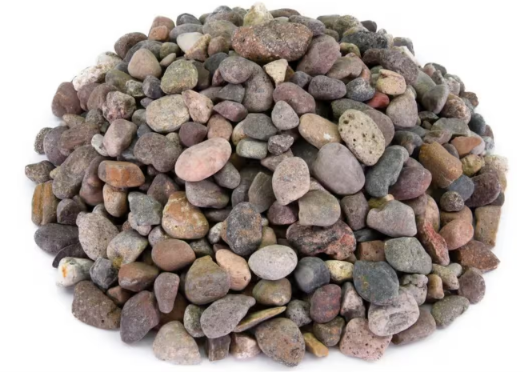
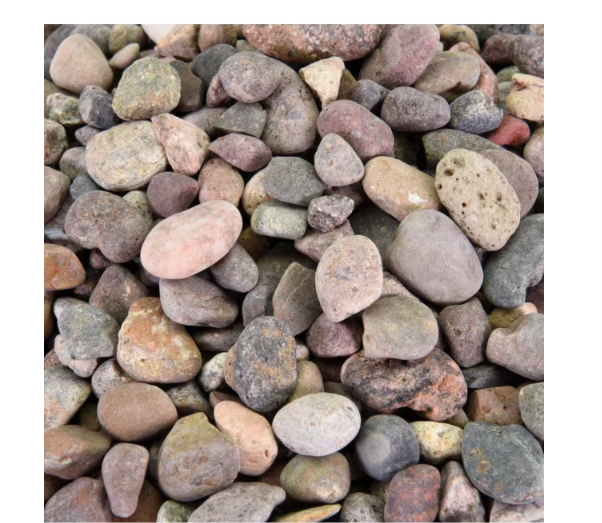
Naturally rounded river pebbles provide decorative appeal while improving drainage in pots, terrariums, and landscape applications.
Features:
Naturally rounded
Improves drainage
Decorative finish
Durable
Low maintenance
Common Uses:
Drainage layers
Terrariums
Decorative top dressing
Succulents
Indoor plants
Ingredients: Natural River Pebbles
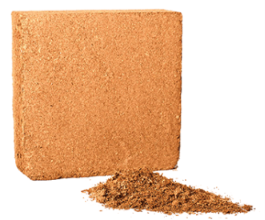
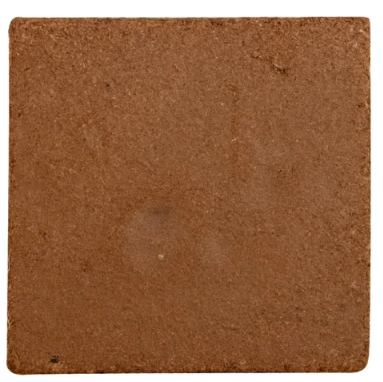
Our professional-size 5 kg compressed coco coir block expands into a large volume of premium growing media, making it ideal for large gardens, commercial growers, and custom soil blending.
Features:
Large-volume expansion
Excellent moisture retention
Superior aeration
Renewable resource
Low EC
Ideal for bulk use
Common Uses:
Commercial growing
Raised beds
Soil blending
Hydroponics
Container gardening
Ingredients: 100% Compressed Coconut Coir
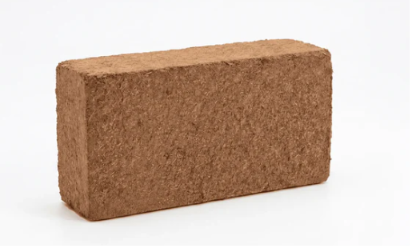
Compressed coconut coir brick that expands dramatically when hydrated, producing a premium growing medium with excellent water retention and root aeration.
Features:
Expands when hydrated
Excellent drainage
Renewable
Low EC
Lightweight
Easy to store
Common Uses:
Potting mixes
Seed starting
Container gardening
Raised beds
Hydroponics
Ingredients: 100% Compressed Coconut Coir
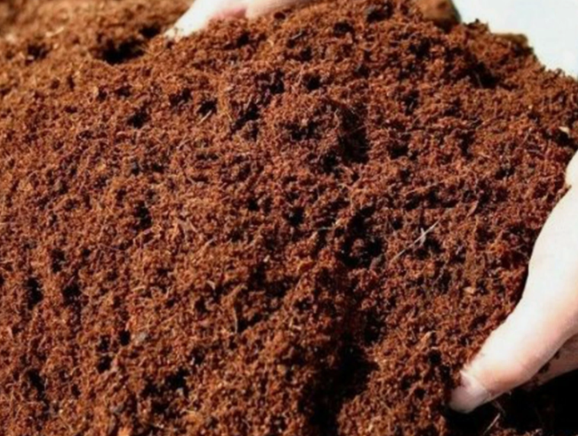
Ready-to-use hydrated coco coir is a renewable growing medium that provides excellent moisture retention while maintaining outstanding drainage and aeration. Perfect for container gardening and hydroponic growing.
Features:
Ready to use
Excellent moisture retention
Superior aeration
Renewable resource
Low EC
pH balanced
Common Uses:
Potting mixes
Hydroponics
Seed starting
Raised beds
Tropical plants
Ingredients: 100% Washed Coconut Coir
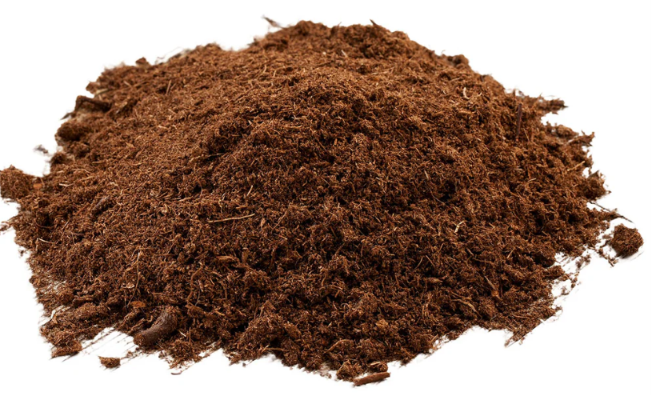
Peat moss is a natural organic growing medium that improves moisture retention while creating a light, workable soil structure. It is commonly used as a base ingredient in potting mixes for a wide variety of plants.
Features:
High water retention
Improves soil structure
Lightweight
Easy to mix
Organic growing medium
Common Uses:
Potting mixes
Raised beds
Seed starting
Garden soil amendment
Houseplants
Ingredients: 100% Peat Moss
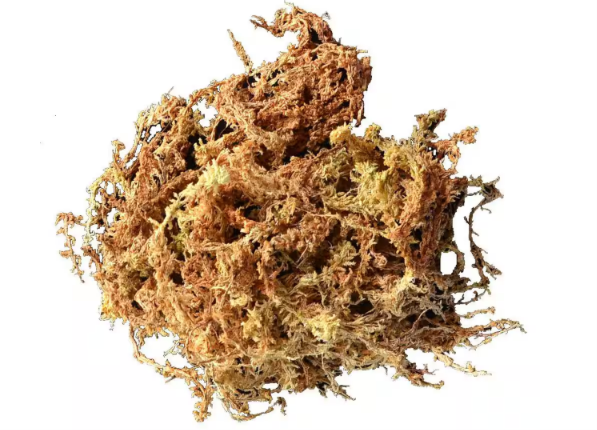
Premium long fiber sphagnum moss is a natural, highly absorbent growing medium valued for its exceptional moisture retention and airflow. Its long strands create an ideal environment for root growth while helping maintain consistent humidity around plants.
Perfect for orchids, carnivorous plants, aroids, terrariums, moss poles, propagation, and decorative displays.
Features:
Premium long fibers
Exceptional water retention
Excellent root aeration
Naturally lightweight
Helps maintain humidity
Ideal for propagation and mounting
Common Uses:
Orchids
Aroids
Carnivorous plants
Moss poles
Terrariums
Propagation
Hanging baskets
Ingredients: 100% Long Fiber Sphagnum Moss
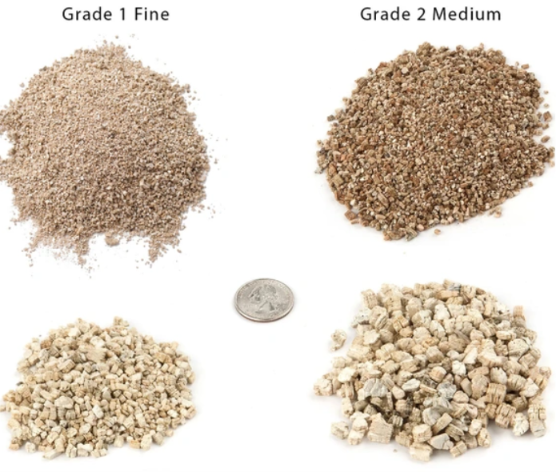
Coarse Grade 2 Vermiculite
Premium Grade 2 fine vermiculite is a lightweight, expanded mineral prized for its exceptional water-holding capacity and excellent aeration. Its large particle size helps create air pockets within growing media, promoting healthy root development while reducing soil compaction.
Ideal for seed starting, potting mixes, raised beds, container gardens, and specialty horticultural applications, vermiculite improves moisture retention without becoming waterlogged. It can also be used as a top dressing for seed germination, in propagation mixes, and for storing bulbs and tubers.
Features:
Fine Grade 2 particle size
Increases water retention
Improves aeration and drainage
Helps reduce soil compaction
pH neutral and sterile
Lightweight and easy to mix
Suitable for indoor and outdoor growing
Common Uses:
Potting soil amendments
Seed starting and propagation
Houseplants and tropical plants
Vegetable and herb gardens
Raised beds
Bulb and tuber storage
Terrariums and vivariums
Ingredients: 100% Expanded Grade 2 Vermiculite
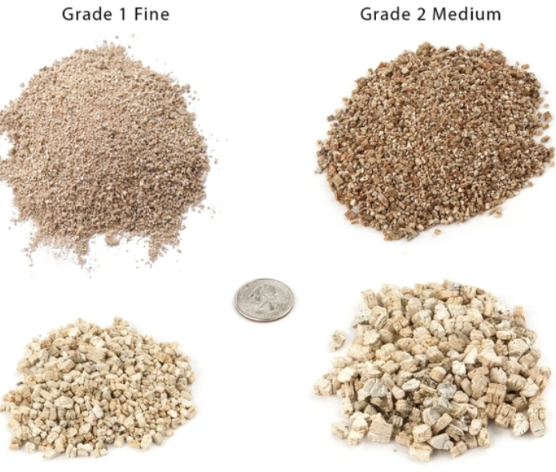
Coarse Grade 4 Vermiculite
Premium Grade 4 coarse vermiculite is a lightweight, expanded mineral prized for its exceptional water-holding capacity and excellent aeration. Its large particle size helps create air pockets within growing media, promoting healthy root development while reducing soil compaction.
Ideal for seed starting, potting mixes, raised beds, container gardens, and specialty horticultural applications, Grade 4 vermiculite improves moisture retention without becoming waterlogged. It can also be used as a top dressing for seed germination, in propagation mixes, and for storing bulbs and tubers.
Features:
Coarse Grade 4 particle size
Increases water retention
Improves aeration and drainage
Helps reduce soil compaction
pH neutral and sterile
Lightweight and easy to mix
Suitable for indoor and outdoor growing
Common Uses:
Potting soil amendments
Seed starting and propagation
Houseplants and tropical plants
Vegetable and herb gardens
Raised beds
Bulb and tuber storage
Terrariums and vivariums
Ingredients: 100% Expanded Grade 4 Vermiculite
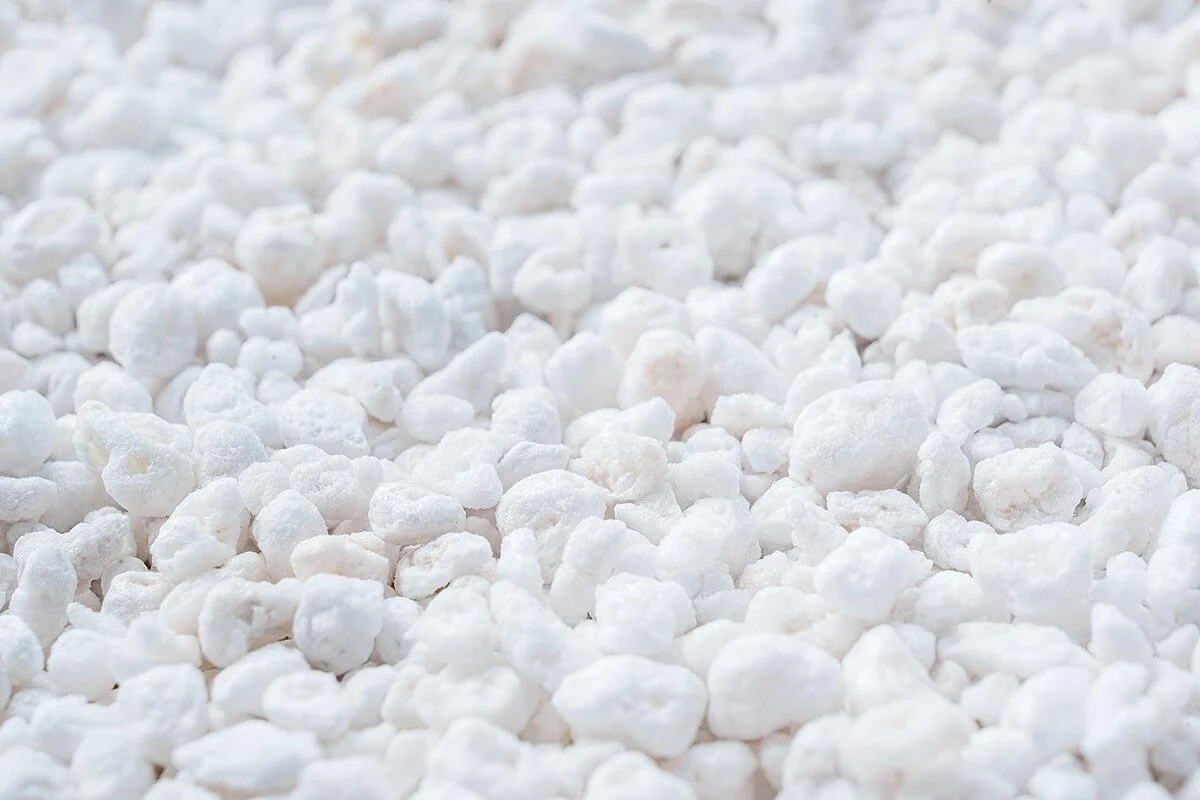
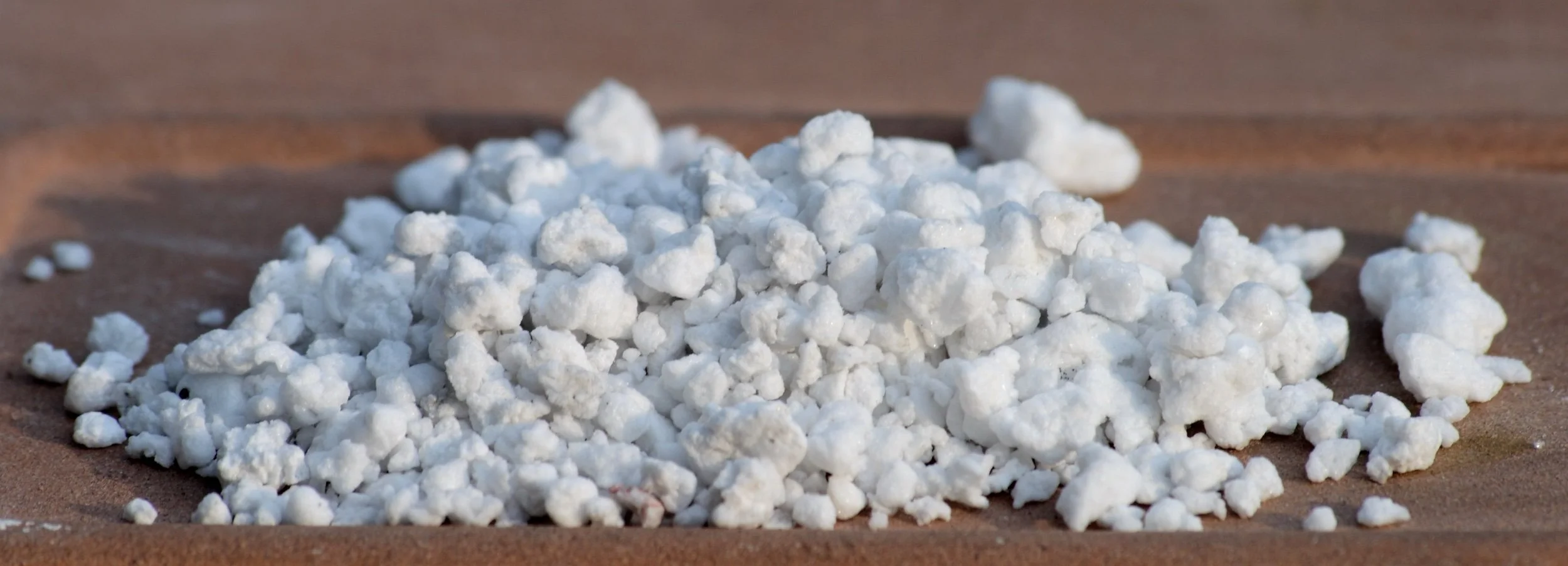
Perlite is a lightweight, amorphous volcanic glass that expands when rapidly heated to produce a white, porous material. It is widely used in horticulture, mushroom cultivation, and hydroponics because of its excellent water retention, aeration, and drainage properties.
Origin and processing
Source: Perlite is a natural volcanic glass high in silica.
Expansion: Raw perlite is crushed and heated to about 1,400–1,800°F (760–980°C). The trapped water in the glass vaporizes, causing the particles to "pop" and expand up to 4–20 times their original volume. The expanded product is airy and has a popcorn-like structure.
Grades: Available in multiple grades (fine, medium, coarse) determined by particle size and intended use.
Physical properties
Appearance: White, lightweight, and brittle with a granular, porous structure.
Bulk density: Very low (typically 30–150 kg/m³ depending on grade).
pH: Generally neutral to slightly alkaline (around 7–8.5).
Inertness: Chemically inert and sterile in its expanded form; does not decompose.
Horticultural uses
Soil amendment: Improves soil structure by increasing aeration and drainage while retaining some moisture and nutrients near roots.
Potting mixes: Commonly mixed with peat, coco coir, or compost to create well-draining potting substrates.
Seed starting and cuttings: Fine-grade perlite provides good moisture retention and oxygenation for root development.
Hydroponics and soilless culture: Used alone or blended as a soilless medium for containerized growing.
Mushroom cultivation
Sterile barrier: Used in the moisture reservoir of mushroom grow boxes or monotubs to maintain high humidity.
Substrate component: Mixed into bulk substrates or casing layers to improve aeration and prevent compaction.
Practical considerations
Dust: Dry perlite can generate fine dust; wetting before use or wearing a dust mask helps reduce inhalation risk.
Handling: Lightweight and easy to dispense; not a source of nutrients—works by modifying physical properties of the growing medium.
Disposal: Inert and safe for disposal in regular waste streams; can also be reused if kept clean and free of pathogens.
Perlite is a lightweight, amorphous volcanic glass that expands when rapidly heated to produce a white, porous material. It is widely used in horticulture, mushroom cultivation, and hydroponics because of its excellent water retention, aeration, and drainage properties.
Origin and processing
Source: Perlite is a natural volcanic glass high in silica.
Expansion: Raw perlite is crushed and heated to about 1,400–1,800°F (760–980°C). The trapped water in the glass vaporizes, causing the particles to "pop" and expand up to 4–20 times their original volume. The expanded product is airy and has a popcorn-like structure.
Grades: Available in multiple grades (fine, medium, coarse) determined by particle size and intended use.
Physical properties
Appearance: White, lightweight, and brittle with a granular, porous structure.
Bulk density: Very low (typically 30–150 kg/m³ depending on grade).
pH: Generally neutral to slightly alkaline (around 7–8.5).
Inertness: Chemically inert and sterile in its expanded form; does not decompose.
Horticultural uses
Soil amendment: Improves soil structure by increasing aeration and drainage while retaining some moisture and nutrients near roots.
Potting mixes: Commonly mixed with peat, coco coir, or compost to create well-draining potting substrates.
Seed starting and cuttings: Fine-grade perlite provides good moisture retention and oxygenation for root development.
Hydroponics and soilless culture: Used alone or blended as a soilless medium for containerized growing.
Mushroom cultivation
Sterile barrier: Used in the moisture reservoir of mushroom grow boxes or monotubs to maintain high humidity.
Substrate component: Mixed into bulk substrates or casing layers to improve aeration and prevent compaction.
Practical considerations
Dust: Dry perlite can generate fine dust; wetting before use or wearing a dust mask helps reduce inhalation risk.
Handling: Lightweight and easy to dispense; not a source of nutrients—works by modifying physical properties of the growing medium.
Disposal: Inert and safe for disposal in regular waste streams; can also be reused if kept clean and free of pathogens.
No results match your search. Try removing a few filters.