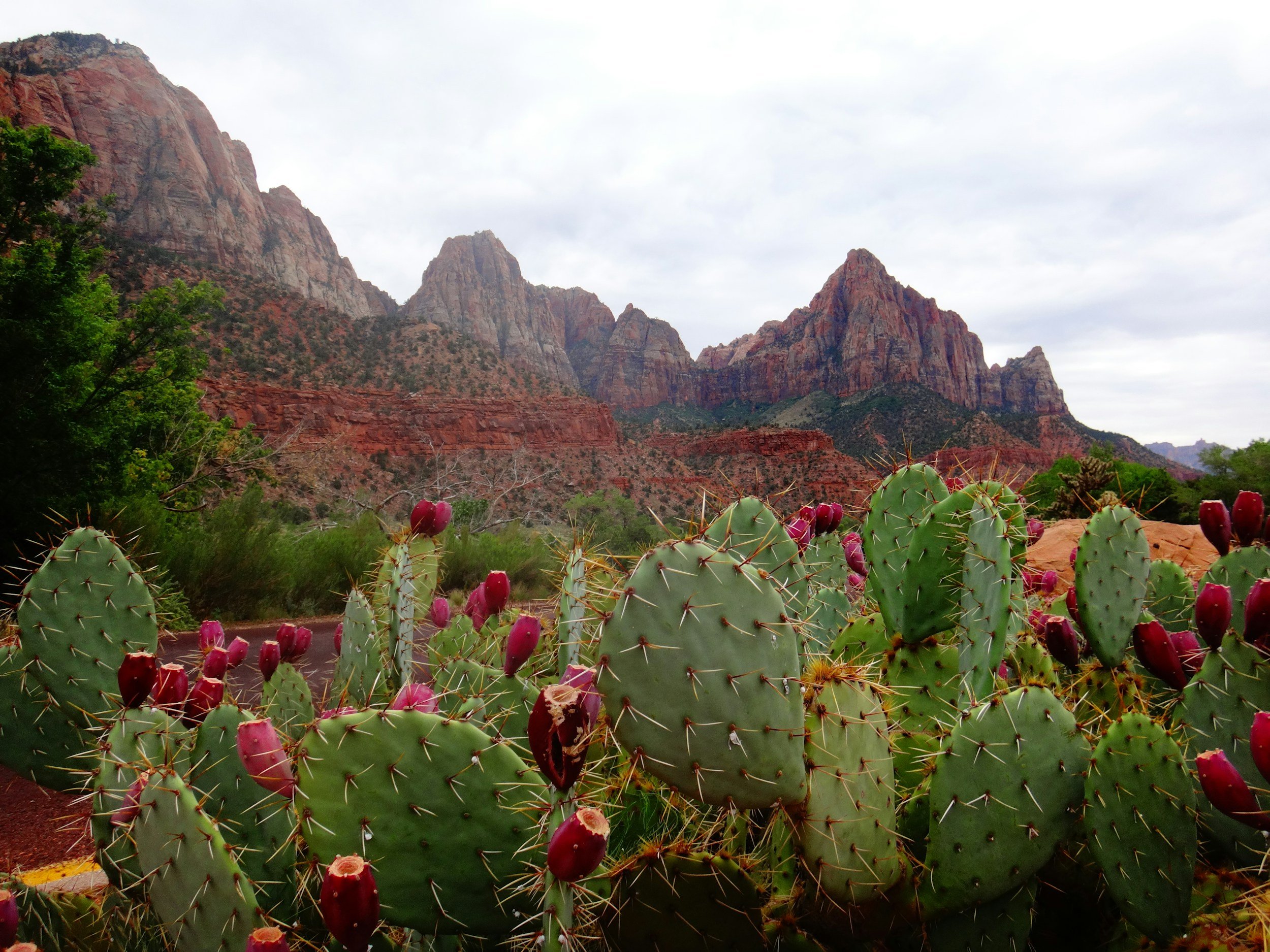
Drought-tolerant plants thrive in fast-draining, well-aerated soil that prevents excess moisture around their roots. The right substrate provides excellent drainage, healthy airflow, and the stability these resilient plants need to grow strong and healthy.
Cacti
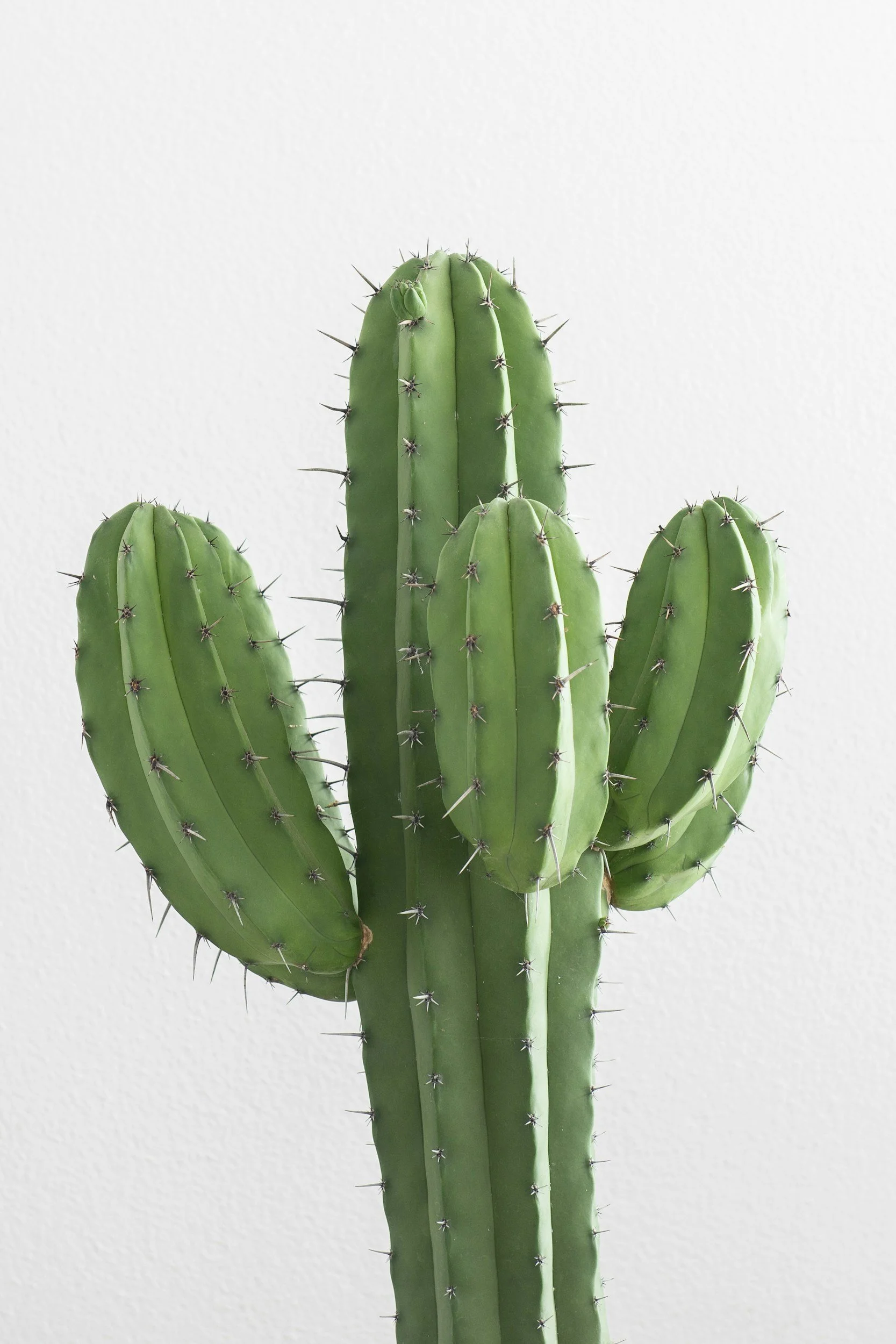
Cacti thrive in arid climates and require excellent drainage to keep their roots healthy.
Examples:
Barrel Cactus
Bunny Ear Cactus
Prickly Pear
Mammillaria
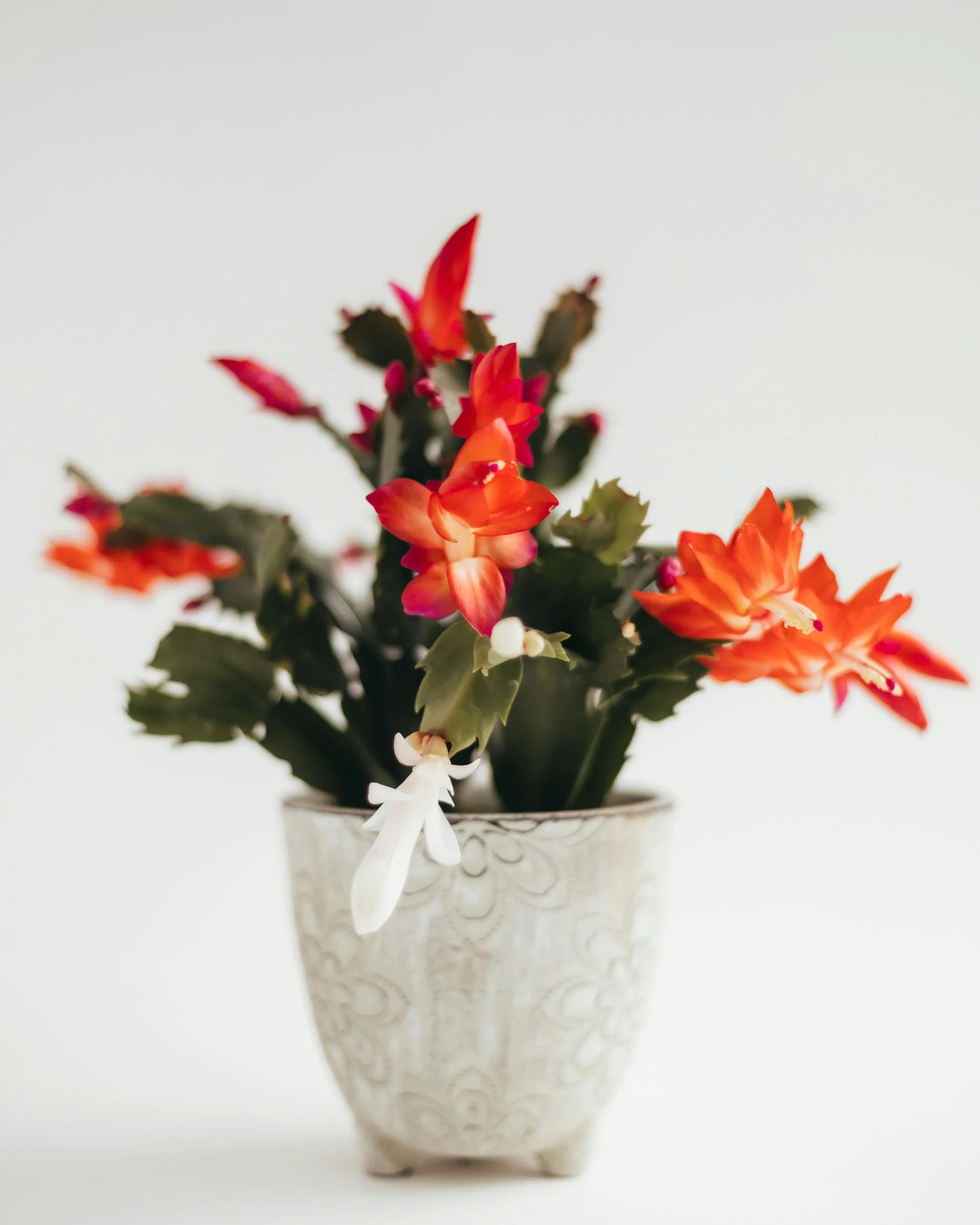
Christmas Cactus*
*Christmas cactus prefers slightly more organic matter than desert cacti.
Best Soil: A gritty cactus mix with coarse sand, pumice, lava rock, and minimal organic material.
Succulents
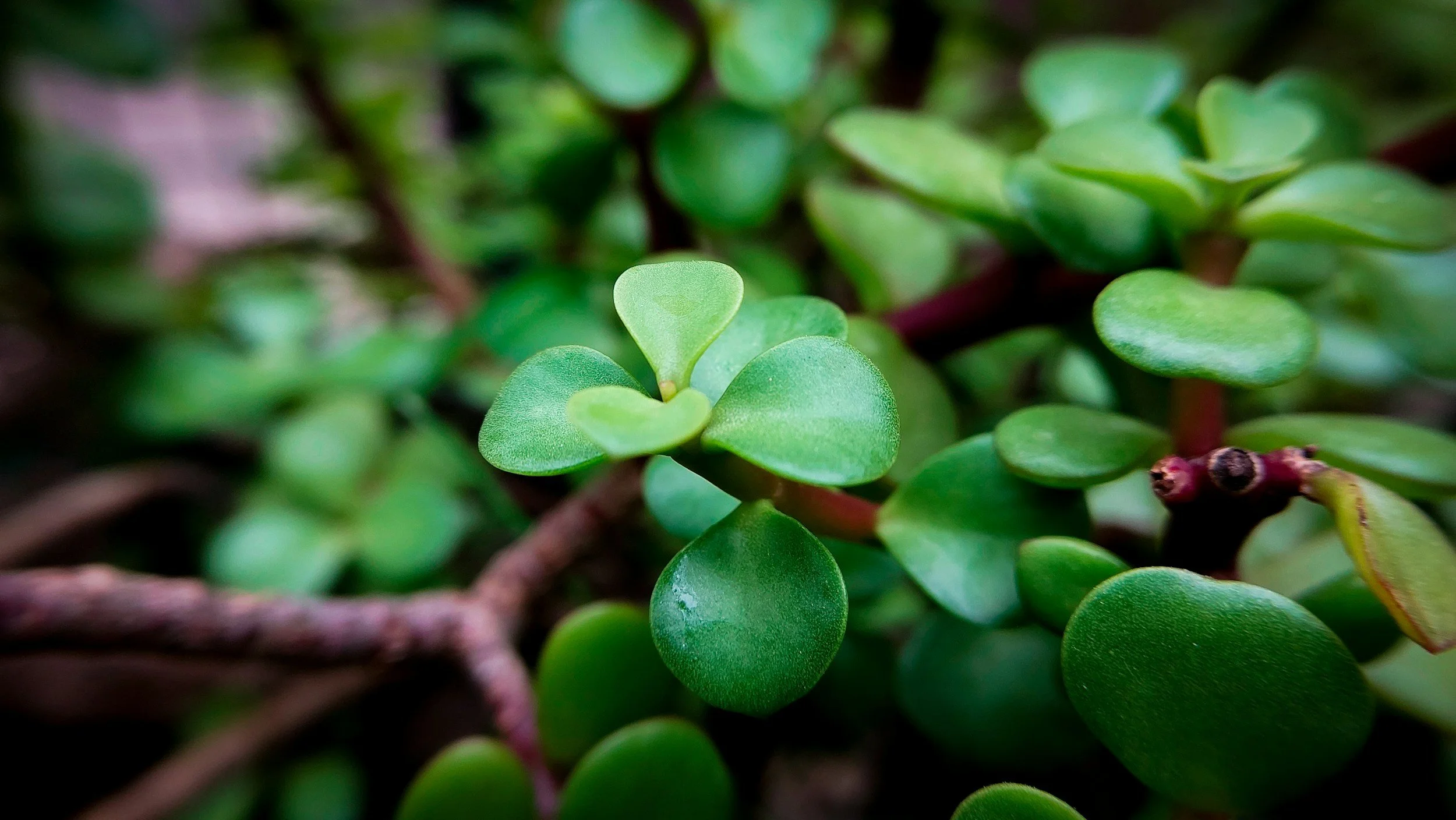
Succulents store water in their thick leaves and stems, making them exceptionally drought resistant.
Examples:
Echeveria
Jade Plant
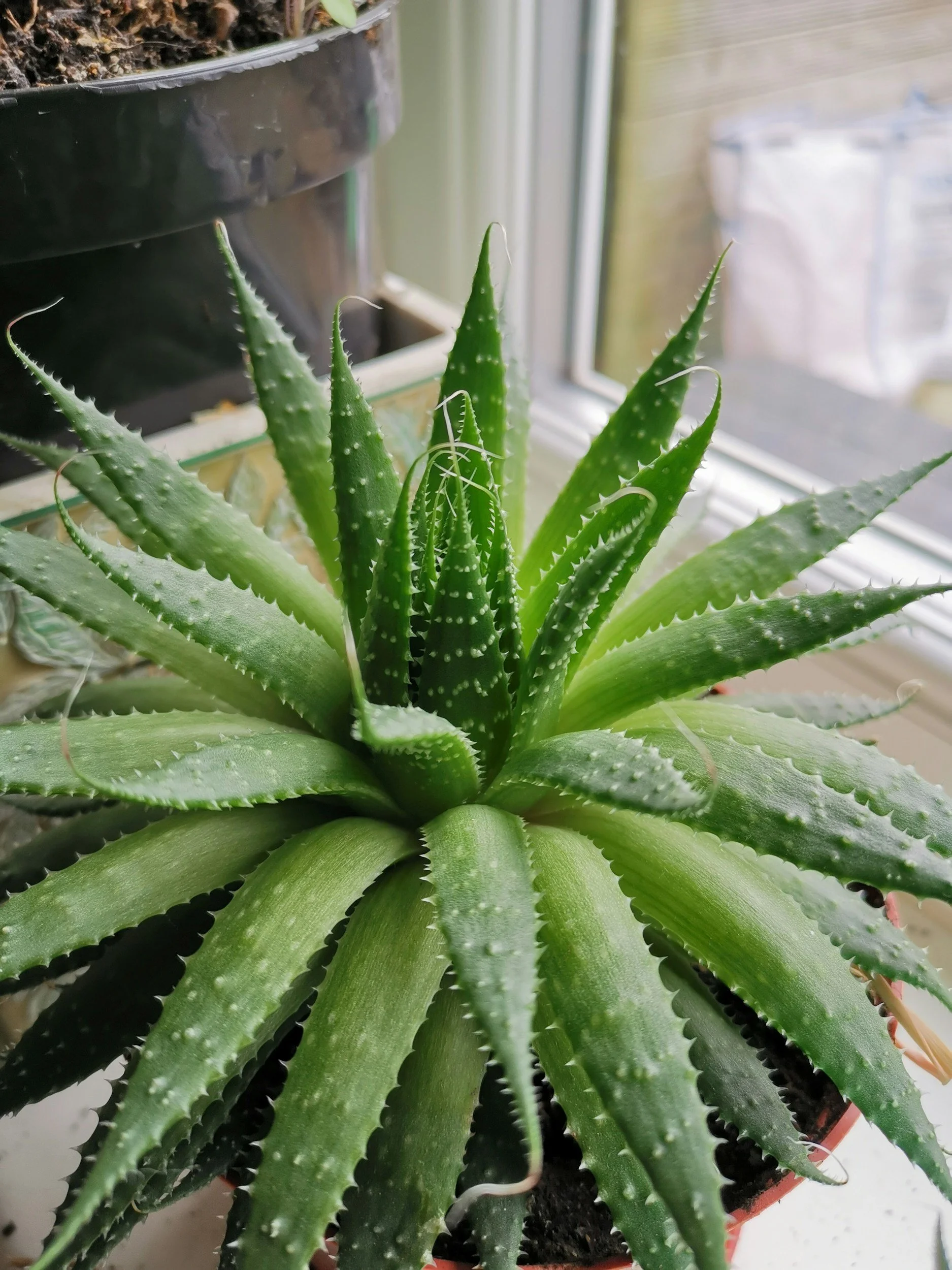
Aloe Vera
Sedum
Haworthia
Best Soil: A fast-draining mix with coarse sand, pumice or perlite, and a small amount of organic matter to prevent root rot.
Mediterranean Herbs
Many culinary herbs originate from dry Mediterranean climates and prefer lean, well-drained soils.
Examples:
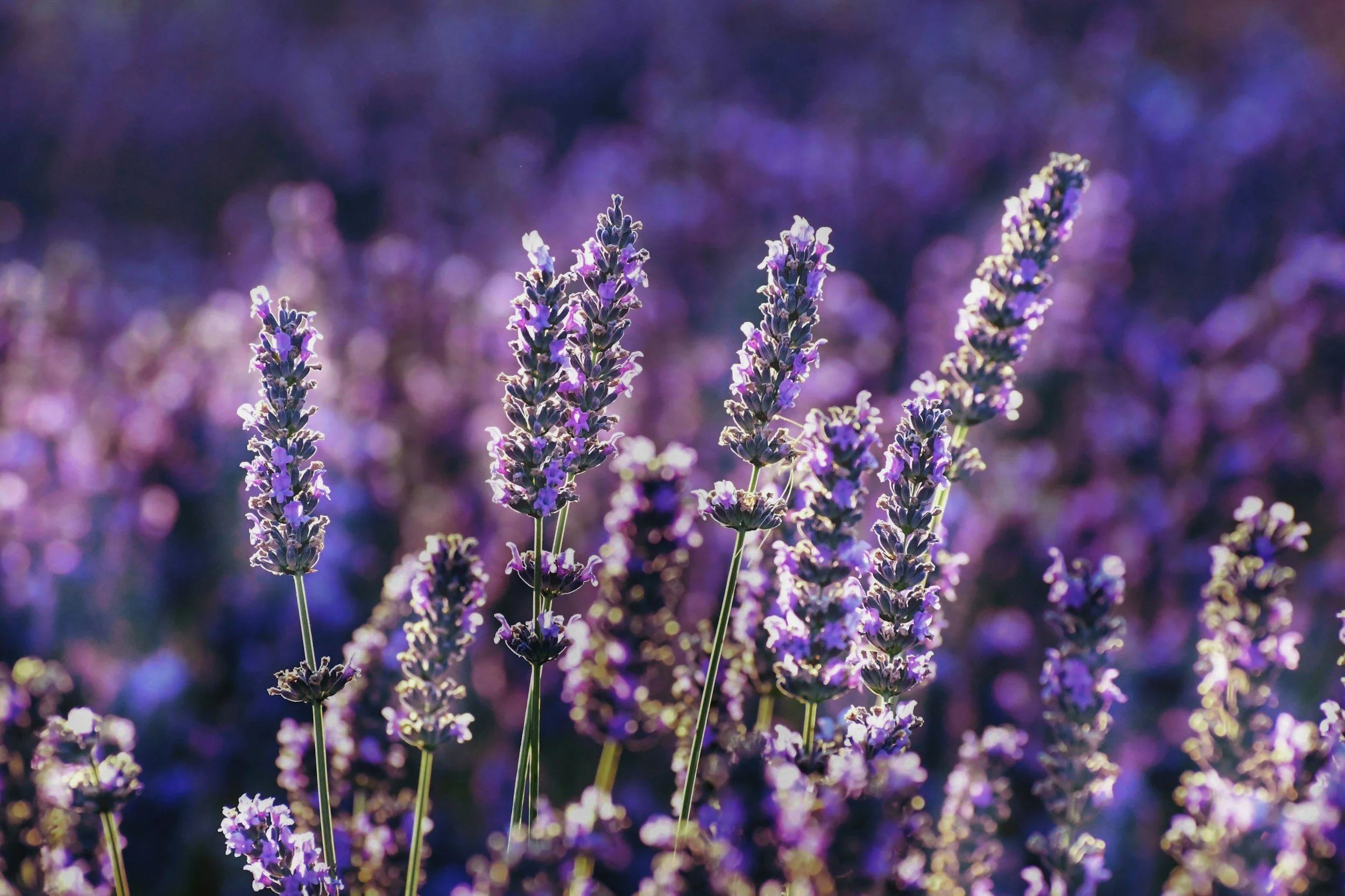
Lavender
Rosemary
Thyme
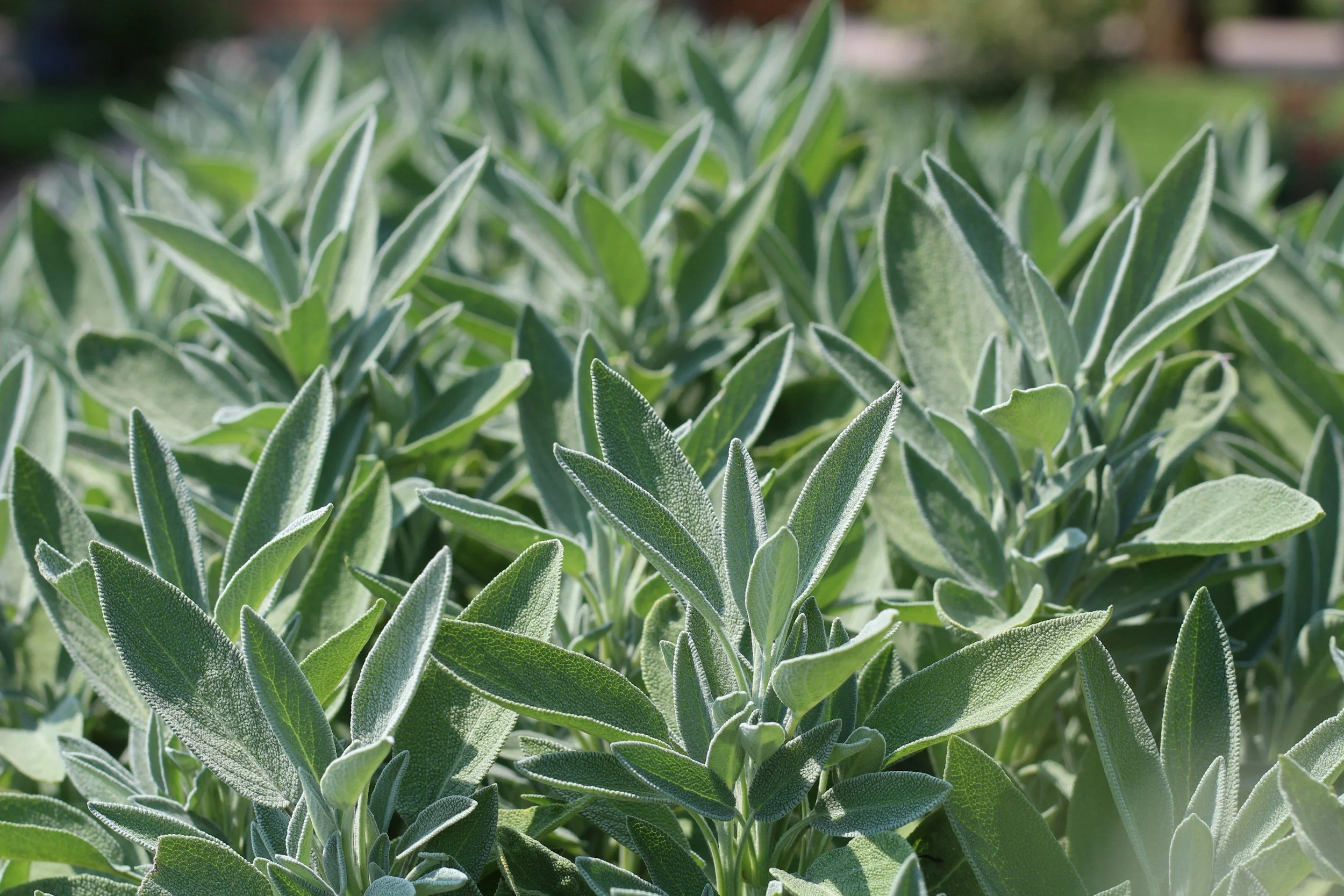
Sage
Oregano
Best Soil: Sandy, well-draining soil with moderate organic matter and excellent airflow.
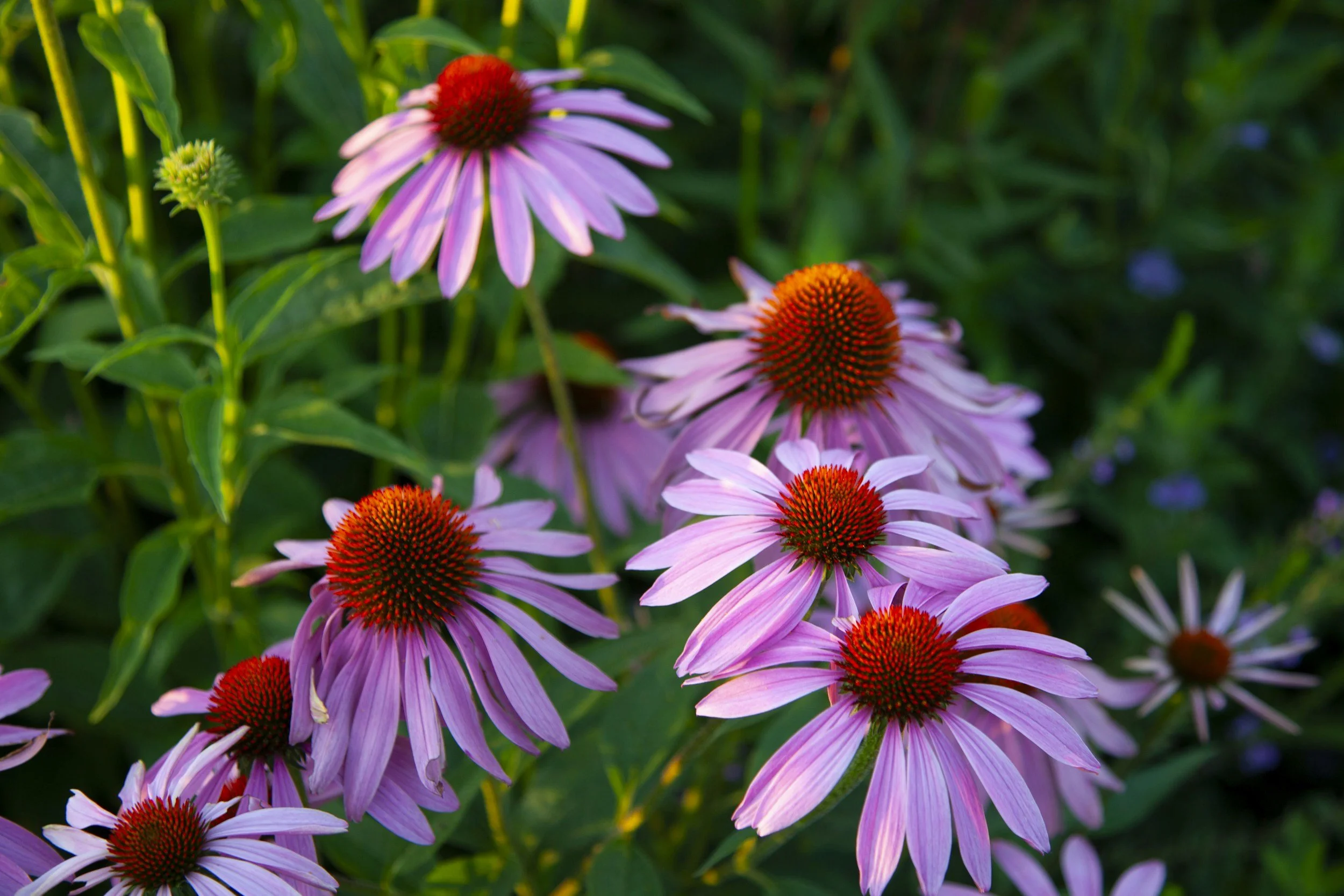
Native Wildflowers
Many native flowering plants are naturally adapted to periods of drought once established.
Examples:
Blanket Flower
Coneflower
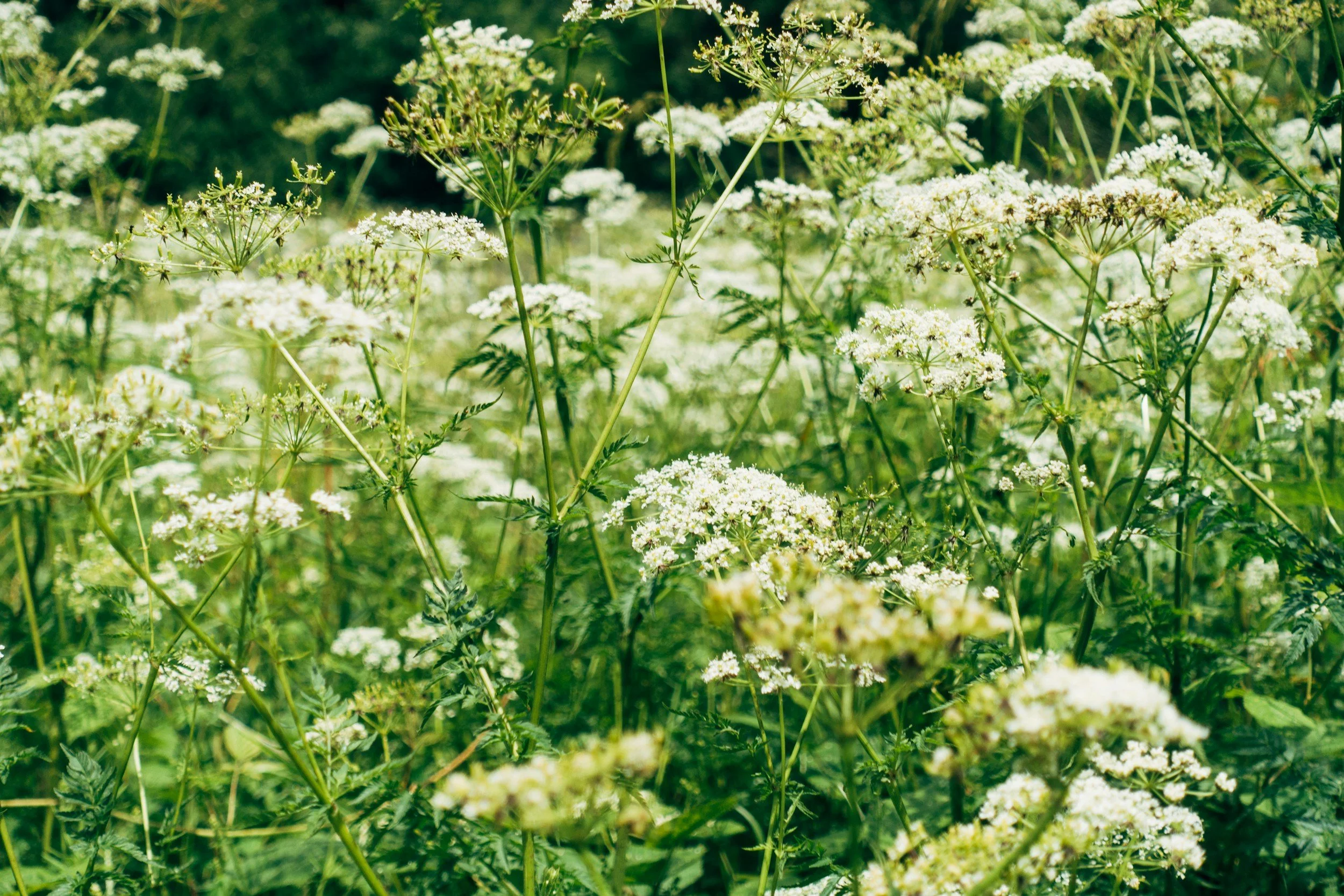
Yarrow
Penstemon
Black-Eyed Susan
Best Soil: Well-drained garden soil enriched with compost but not overly rich, which can reduce flowering.
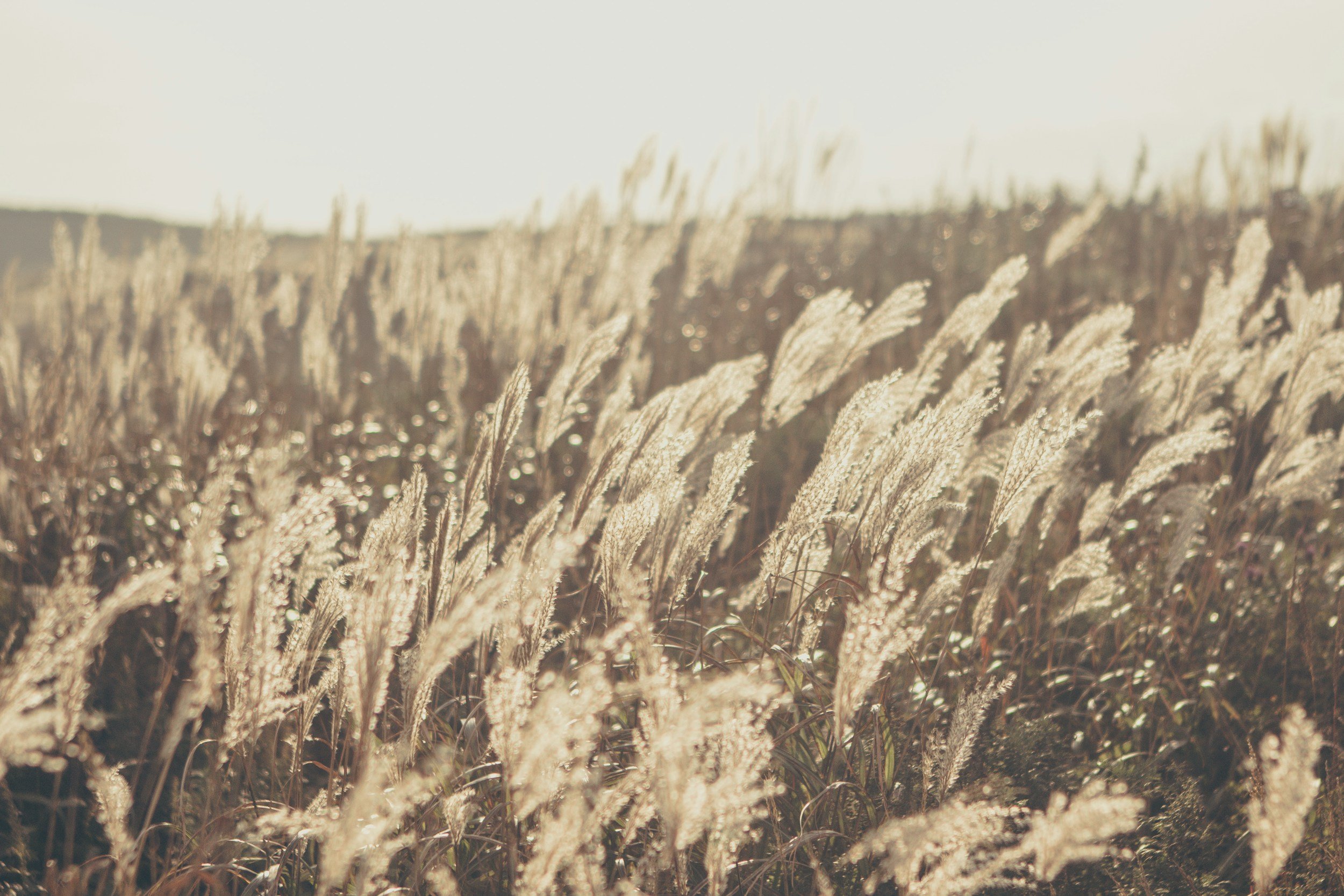
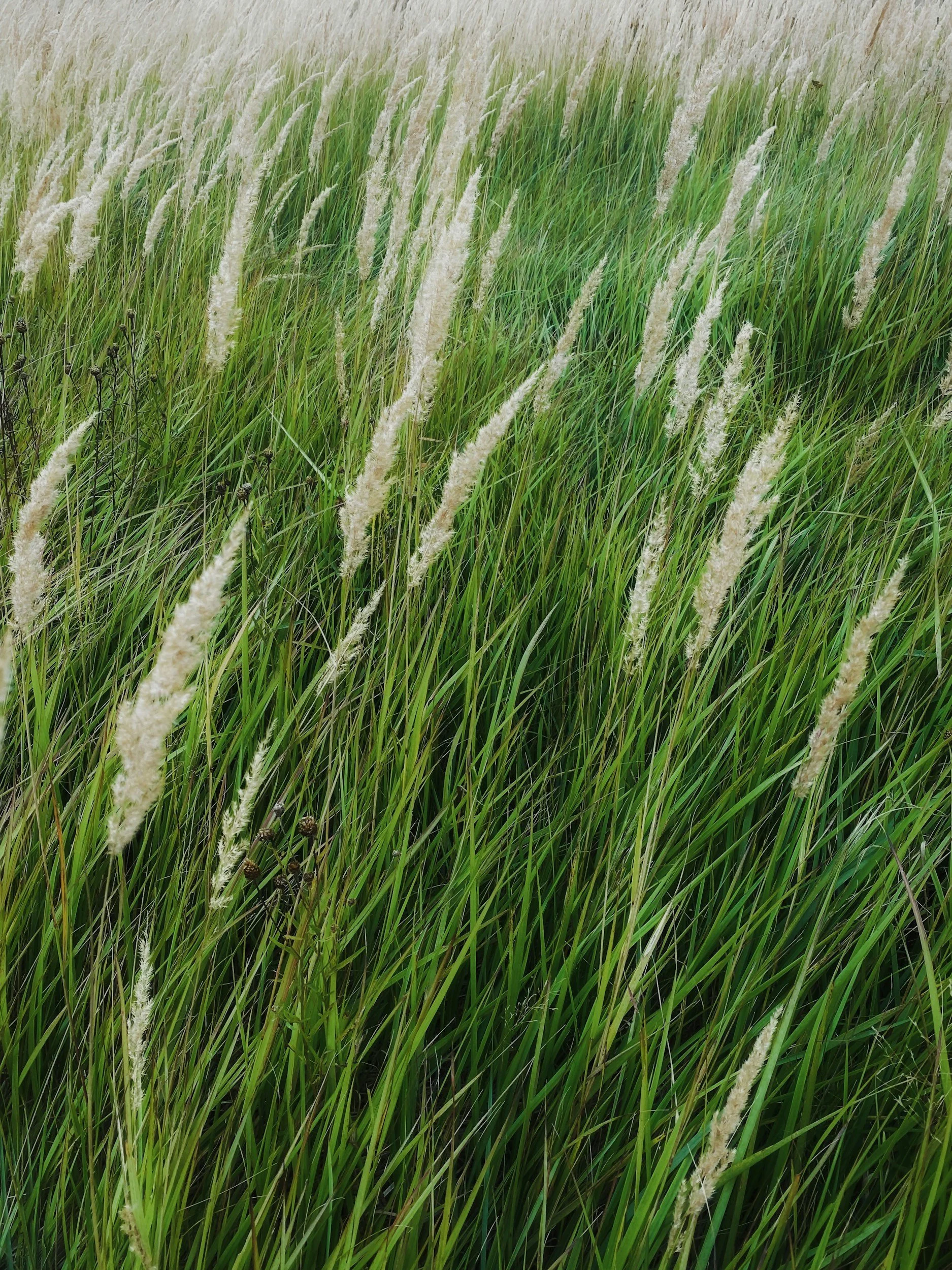
Ornamental Grasses
These grasses provide movement and texture while thriving with little supplemental water.
Examples:
Blue Fescue
Mexican Feather Grass
Fountain Grass
Little Bluestem
Best Soil: Loose, well-draining soil with moderate fertility.
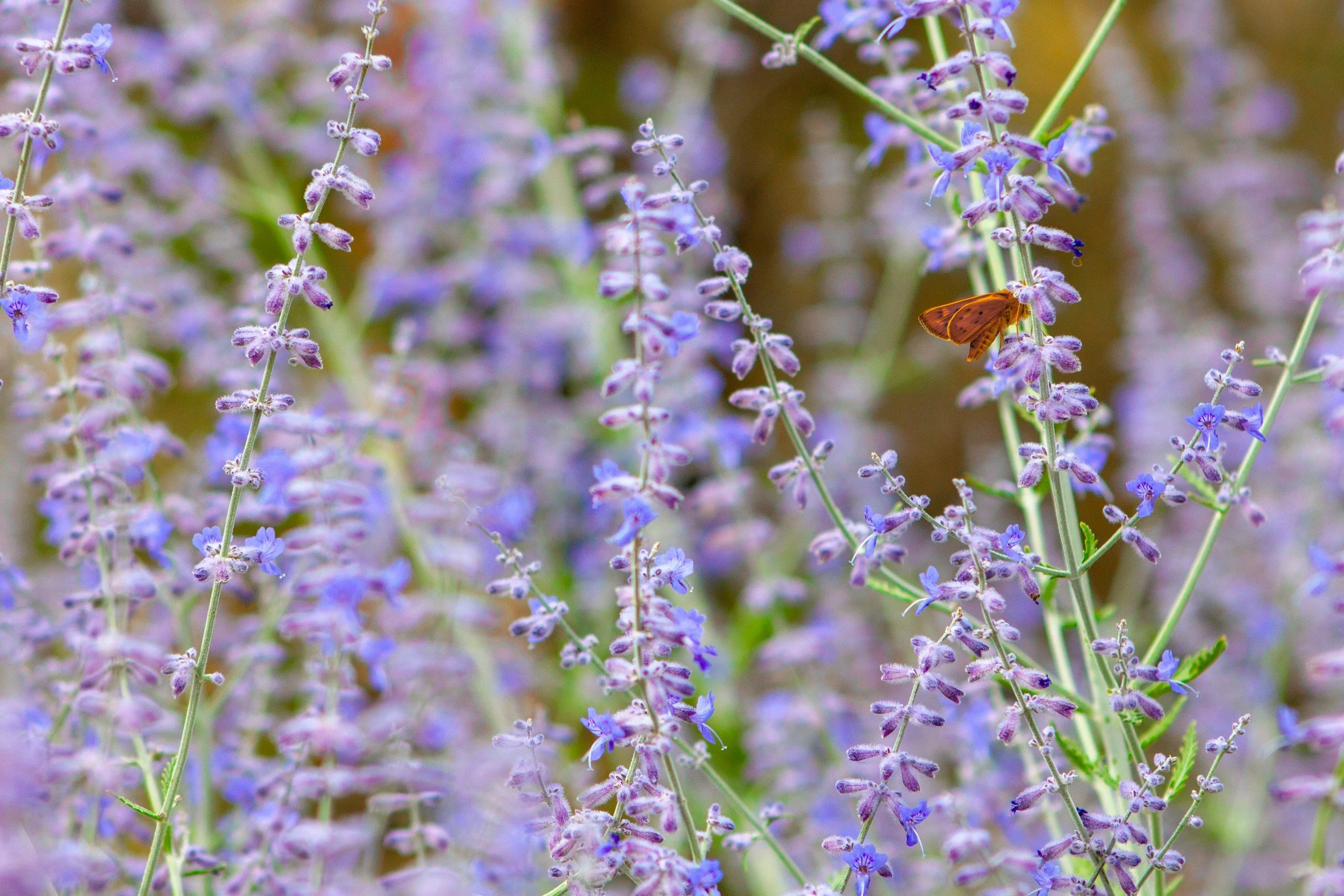
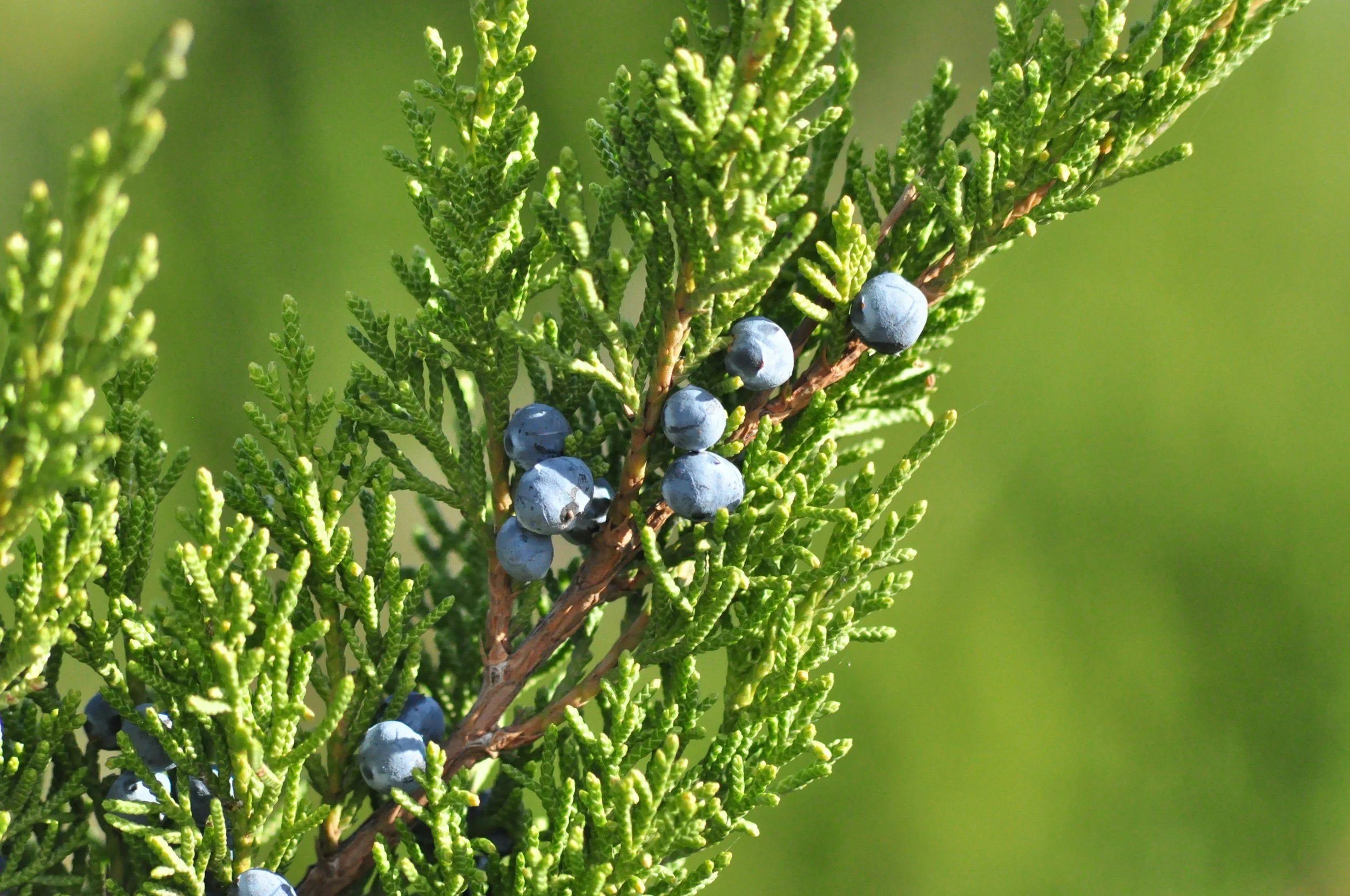
Shrubs
Many landscape shrubs tolerate dry conditions once their root systems are established.
Examples:
Texas Sage
Rockrose
Juniper
Russian Sage
Manzanita
Best Soil: Well-draining soil with compost and coarse mineral amendments to improve drainage.
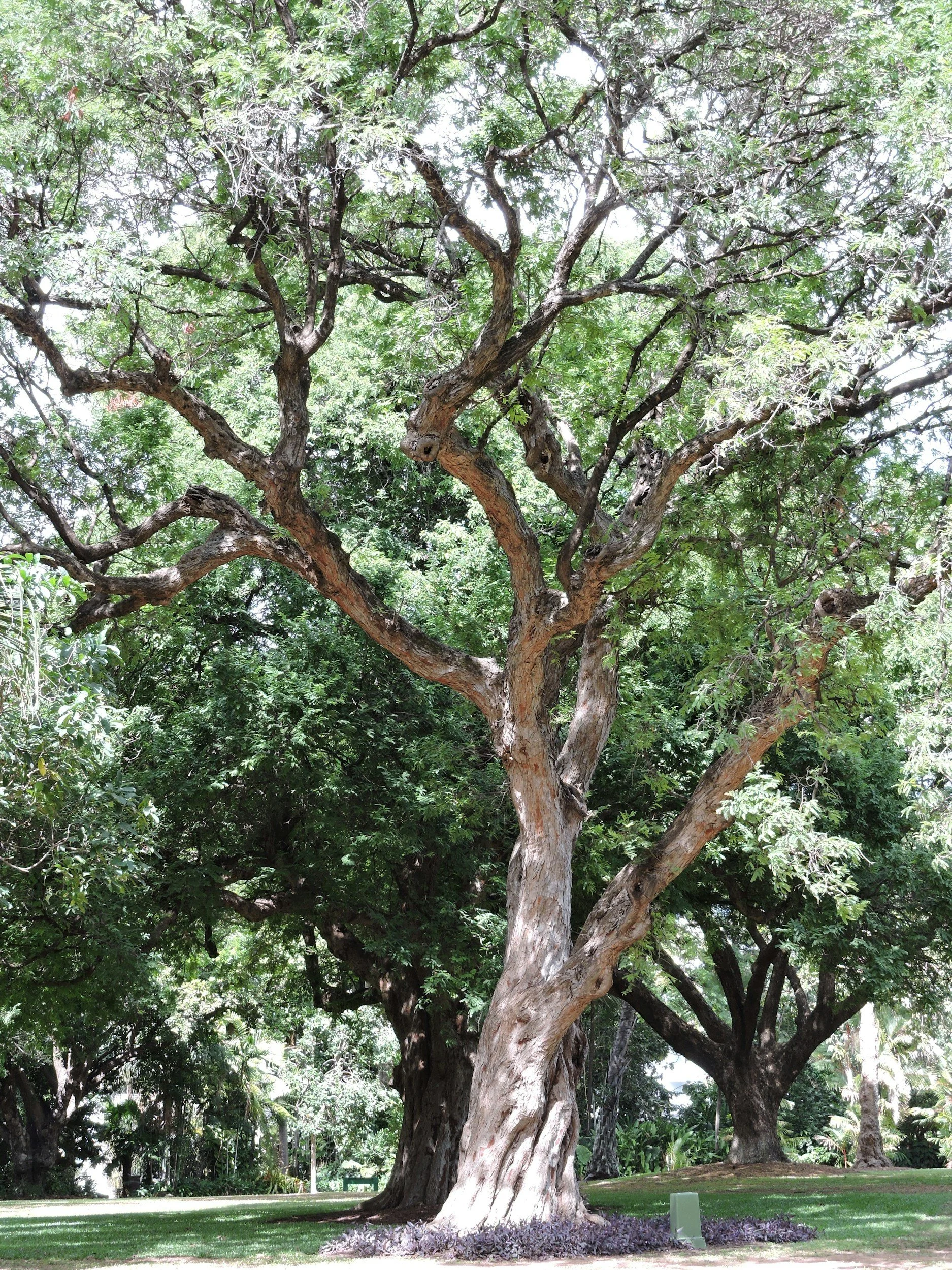
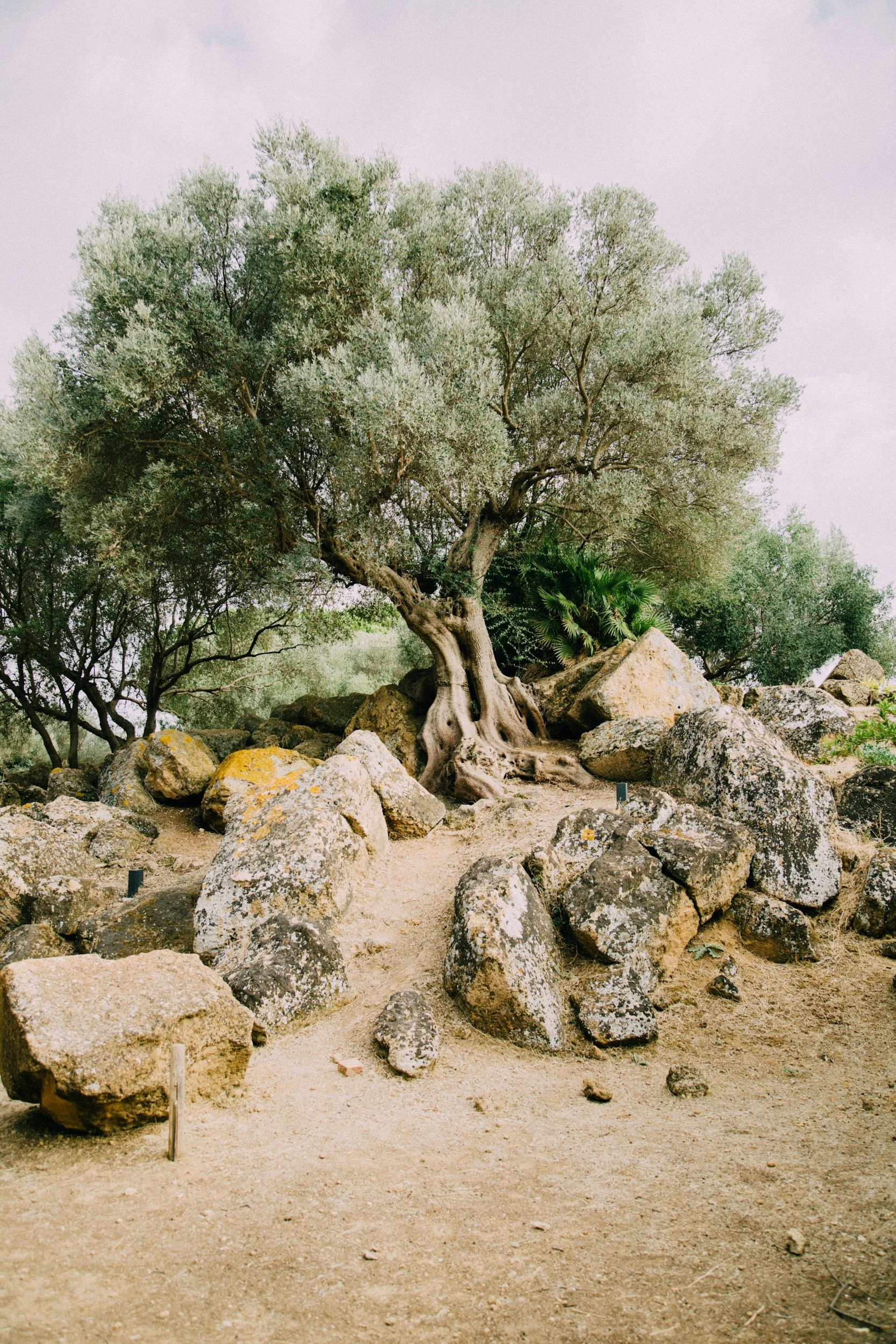
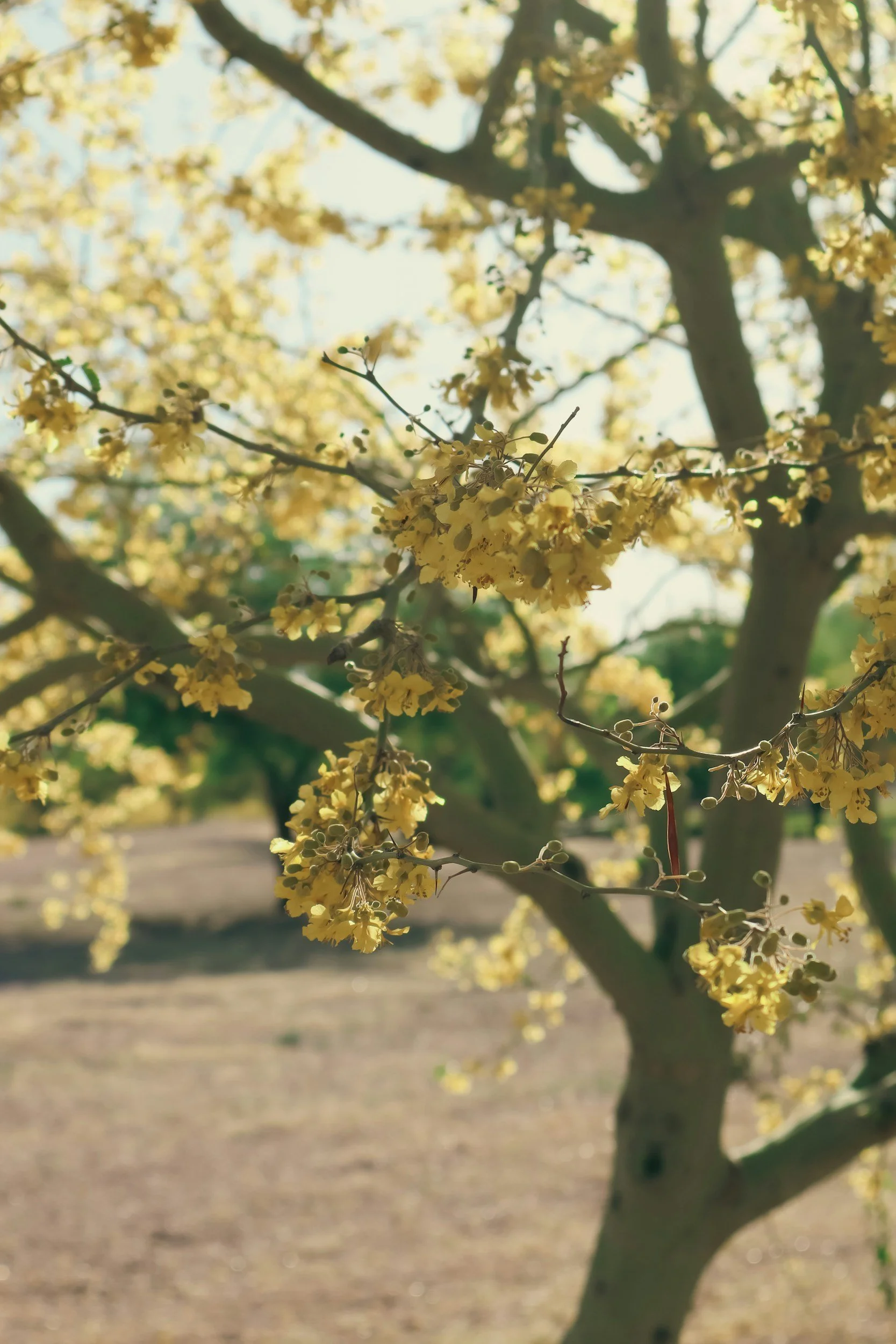
Trees
Several tree species are naturally adapted to hot, dry climates.
Examples:
Olive Tree
Palo Verde
Desert Willow
Mesquite
Crape Myrtle
Best Soil: Deep, well-drained soil that encourages extensive root growth without retaining excess moisture.
Types of Drought-Tolerant Plants & the Best Soil for Each
Drought-tolerant plants are adapted to survive with minimal water, making them ideal for water-wise landscapes and low-maintenance gardens. While they all prefer well-draining soil, different plant types benefit from slightly different substrate blends.
Featured Products
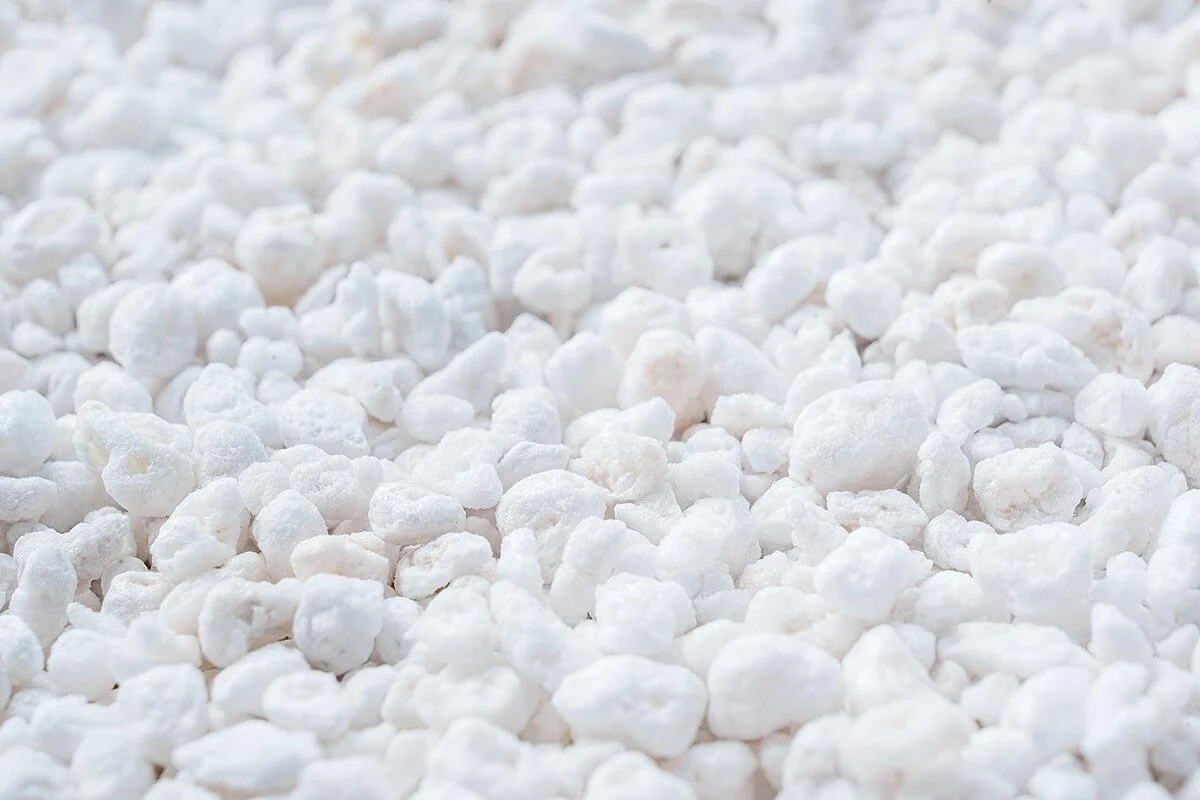
Perlite is a lightweight, amorphous volcanic glass that expands when rapidly heated to produce a white, porous material. It is widely used in horticulture, mushroom cultivation, and hydroponics because of its excellent water retention, aeration, and drainage properties.
Origin and processing
Source: Perlite is a natural volcanic glass high in silica.
Expansion: Raw perlite is crushed and heated to about 1,400–1,800°F (760–980°C). The trapped water in the glass vaporizes, causing the particles to "pop" and expand up to 4–20 times their original volume. The expanded product is airy and has a popcorn-like structure.
Grades: Available in multiple grades (fine, medium, coarse) determined by particle size and intended use.
Physical properties
Appearance: White, lightweight, and brittle with a granular, porous structure.
Bulk density: Very low (typically 30–150 kg/m³ depending on grade).
pH: Generally neutral to slightly alkaline (around 7–8.5).
Inertness: Chemically inert and sterile in its expanded form; does not decompose.
Horticultural uses
Soil amendment: Improves soil structure by increasing aeration and drainage while retaining some moisture and nutrients near roots.
Potting mixes: Commonly mixed with peat, coco coir, or compost to create well-draining potting substrates.
Seed starting and cuttings: Fine-grade perlite provides good moisture retention and oxygenation for root development.
Hydroponics and soilless culture: Used alone or blended as a soilless medium for containerized growing.
Mushroom cultivation
Sterile barrier: Used in the moisture reservoir of mushroom grow boxes or monotubs to maintain high humidity.
Substrate component: Mixed into bulk substrates or casing layers to improve aeration and prevent compaction.
Practical considerations
Dust: Dry perlite can generate fine dust; wetting before use or wearing a dust mask helps reduce inhalation risk.
Handling: Lightweight and easy to dispense; not a source of nutrients—works by modifying physical properties of the growing medium.
Disposal: Inert and safe for disposal in regular waste streams; can also be reused if kept clean and free of pathogens.
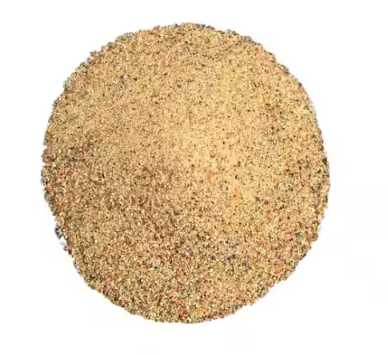
Clean horticultural sand improves soil drainage and increases pore space, helping prevent compaction in container and garden soils.
Features:
Improves drainage
Enhances aeration
Helps reduce compaction
Clean and natural
Common Uses:
Cactus mixes
Succulent soil
Seed starting
Soil amendments
Bonsai
Ingredients: Washed Horticultural Sand
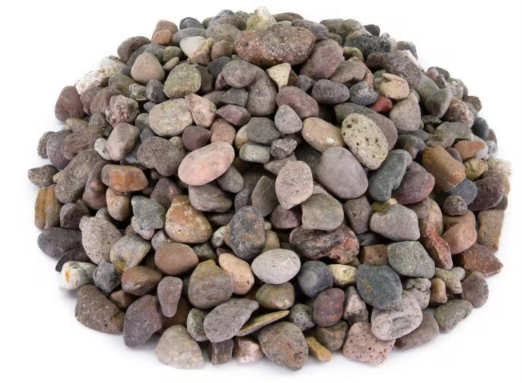
Approximately 5lb of large natural river rocks add decorative texture while improving drainage in planters, gardens, and landscape designs.
Features:
Natural appearance
Improves drainage
Durable
Decorative
Weather resistant
Common Uses:
Landscaping
Decorative planters
Drainage layers
Water features
Terrariums
Ingredients: Natural River Rock
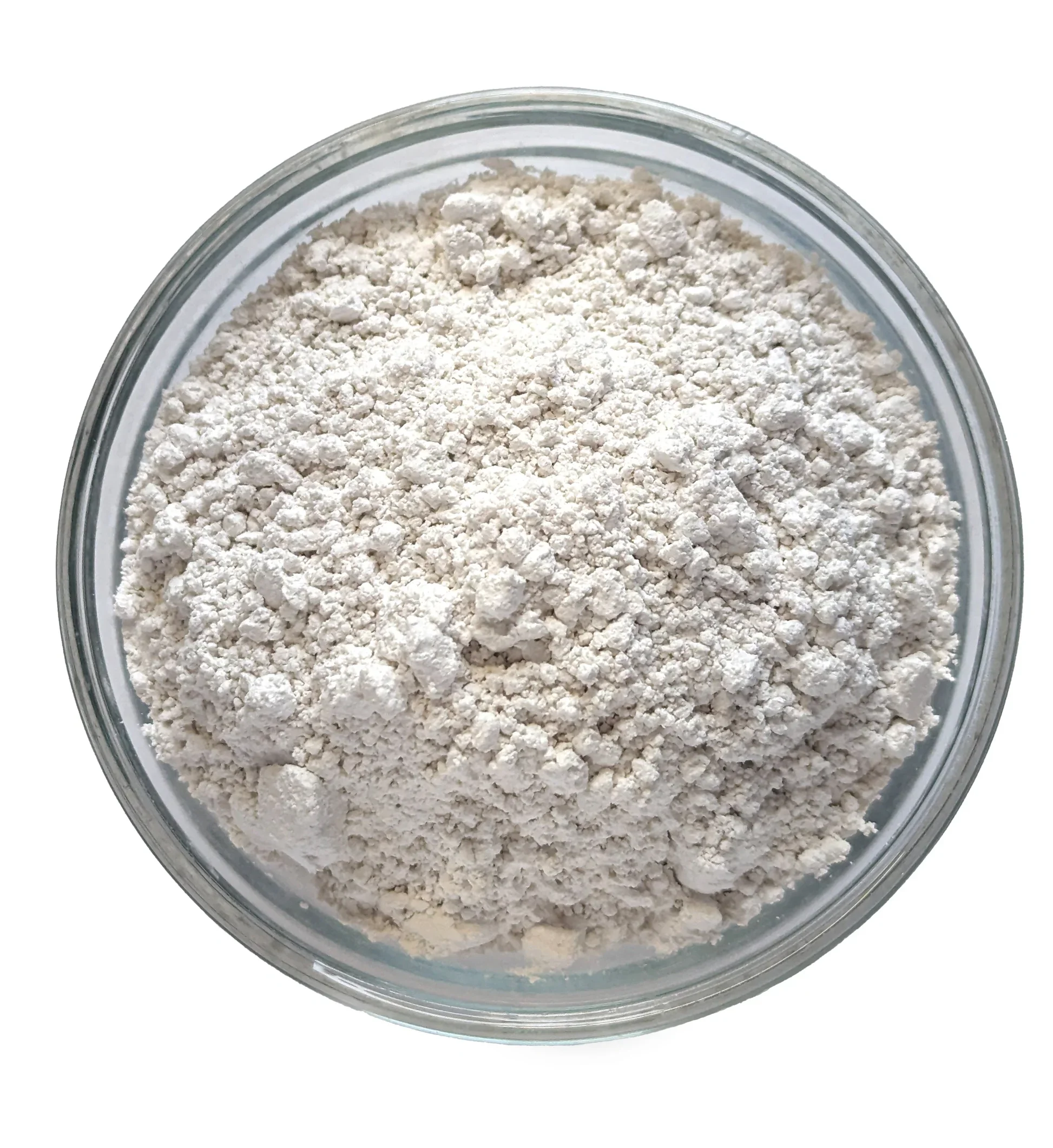
Natural gypsum supplies calcium and sulfur while helping improve soil structure in many growing applications. It is widely used as a soil amendment without significantly affecting soil pH.
Features:
Natural calcium source
Supplies sulfur
Helps improve soil structure
pH neutral
Easy to incorporate
Common Uses:
Garden beds
Potting mixes
Lawn care
Soil amendments
Compost enrichment
Ingredients: 100% Natural Gypsum